Wondering if blue carbon credits can really fund mangrove and seagrass protection? They can, through published methodologies, but the market is still small: under 1 percent of voluntary credits issued, per Calyx Global’s November 2025 analysis.
This guide is part of the site’s wider coverage of sustainable coastal development, and it looks at how carbon markets treat mangroves, salt marshes and seagrass meadows.
| Item | Value |
|---|---|
| Share of voluntary market credits issued by blue carbon projects | Less than 1 percent |
| Blue carbon projects worldwide (as of October 2025) | 81 projects |
| Projects actively issuing credits (as of October 2025) | 10 projects |
| Coastal area managed by these projects | About 2 million hectares |
| Removals the projects are committed to deliver | Estimated 20.4 million tonnes of carbon dioxide per year |
| Average carbon in mangrove forests | 1,023 tonnes of carbon per hectare |
The figures come from Calyx Global’s November 2025 research. Project counts and credit volumes change as new projects register and issue credits, so check the source before you rely on them.
What blue carbon credits are and how they are issued
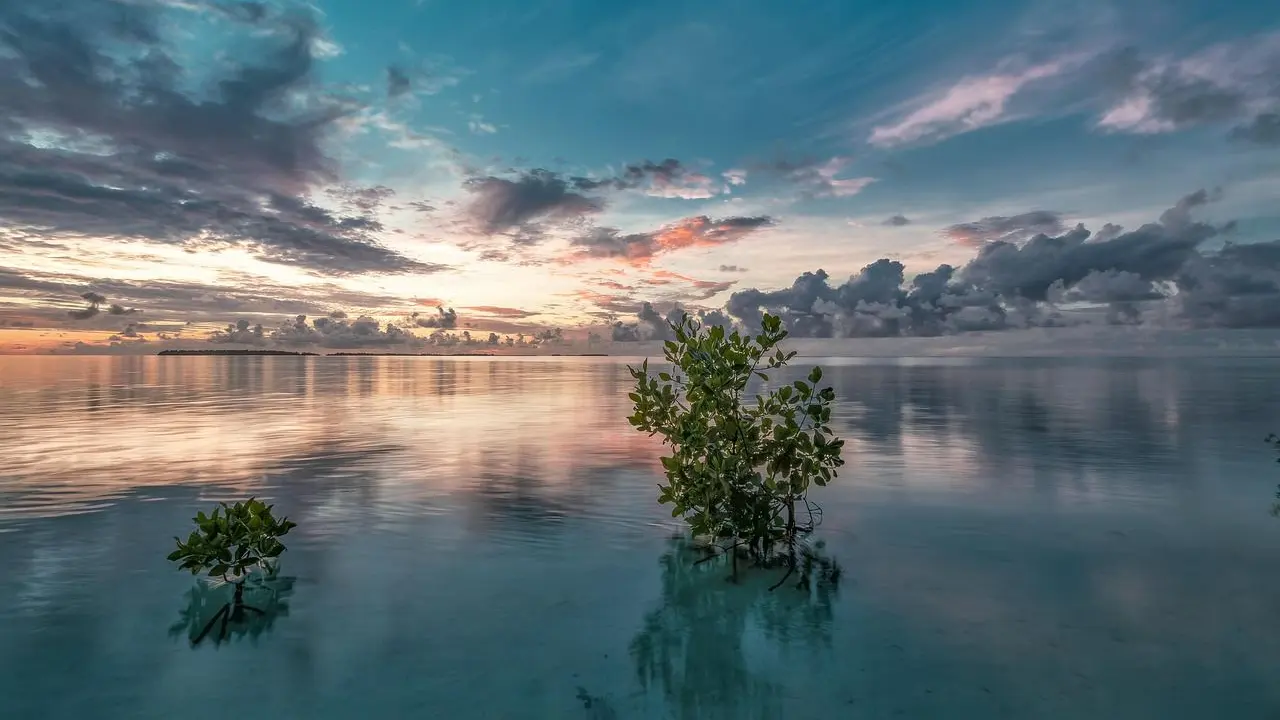
Blue carbon is carbon stored in the above and belowground biomass and rich soil pools of coastal and marine environments, according to Verra, the nonprofit that operates the Verified Carbon Standard (VCS). When these habitats are degraded or destroyed, their carbon sinks are affected and stored carbon can return to the atmosphere as emissions.
A credit is the market’s way of putting a number on avoiding that loss or reversing it. Under Verra’s program, a project follows a methodology and can then be issued Verified Carbon Units (VCUs) to sell in the voluntary carbon market.
- The project picks a methodology that fits the habitat and activity, such as conservation or restoration.
- It quantifies the emission reductions and removals the activity delivers.
- It is issued VCUs, which it can sell in the voluntary carbon market.
Verra’s 2020 announcement adds that selling credits can give these activities access to finance in voluntary or compliance markets. Selling credits is one form of payment for ecosystem services, where the value of what a habitat provides is turned into funding for looking after it.
Why coastal habitats interest carbon markets
Calyx Global reports that mangroves, tidal marshes and seagrass meadows cover less than 0.2 percent of the ocean surface yet sequester atmospheric carbon at rates up to 10 times higher than terrestrial forests. A Verra announcement dated 9 September 2020 gave a different framing: less than 2% of total ocean area, but almost 50% of the carbon stored in ocean sediments. The two sources use different estimates, so treat the area share as approximate.
Much of the carbon sits underground. Calyx notes that most blue carbon is stored in sediments, with carbon-rich soils holding up to 90 per cent of a mangrove’s organic carbon stocks. It puts the average for mangrove forests at 1,023 tonnes of carbon per hectare.
These habitats also deliver benefits that have nothing to do with carbon. Verra lists three that matter to coastal communities:
- Coastal protection from storms.
- Food security for coastal communities.
- Improved water quality.
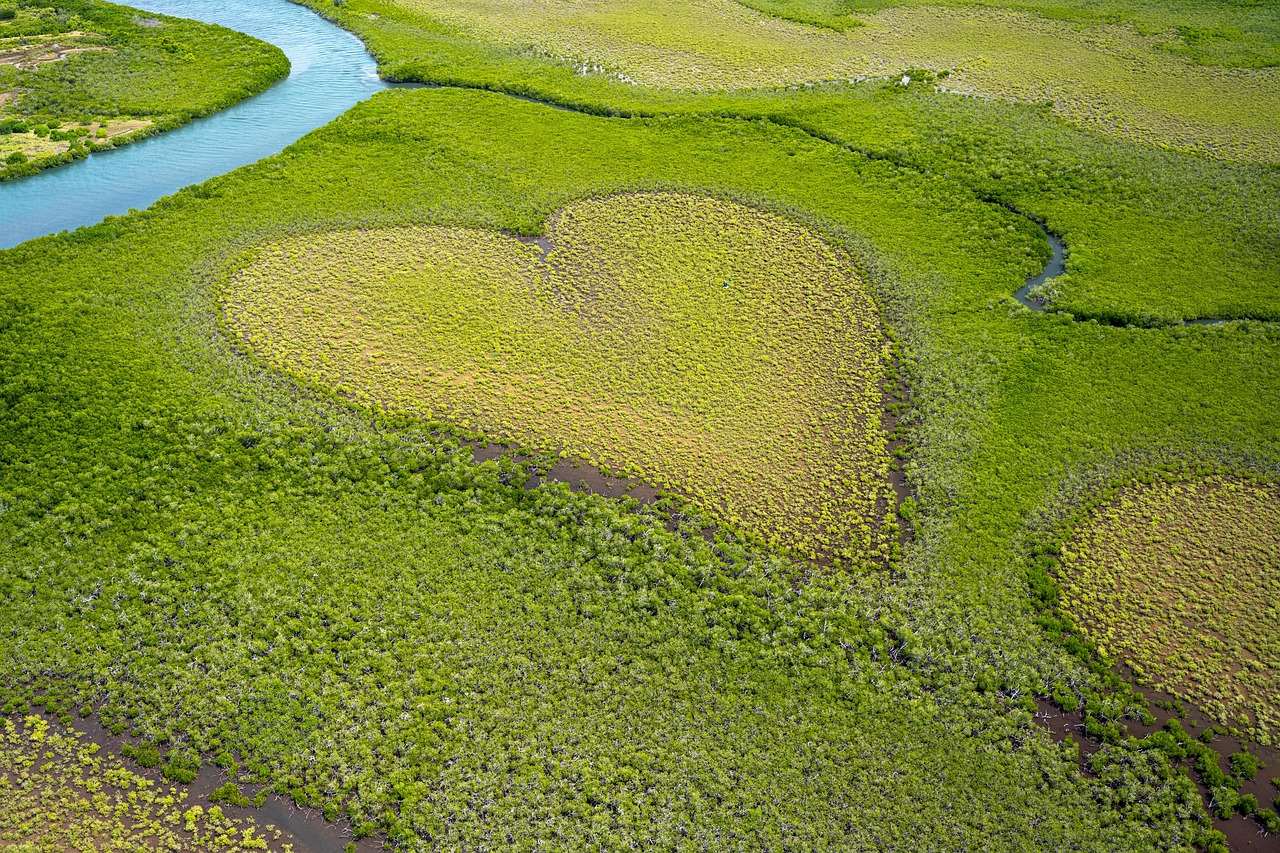
Which standards and methodologies cover coastal habitats
The update, led by Restore America’s Estuaries and Silvestrum Climate Associates, added tidal wetland conservation and restoration as an eligible project type. Verra also lists VM0033 for tidal wetland and seagrass restoration.
Earlier projects had fewer options. Calyx says early blue carbon projects relied on general forestry methodologies such as AR-AM0014 from the UN Clean Development Mechanism, which did not fully account for tidal hydrology and soil organic carbon dynamics. Its snapshot of methodologies across standards shows how the field has widened:
| Standard | Methodology named by Calyx | Habitat focus |
|---|---|---|
| Verra (VCS) | VM0033, VM0024, VM0007, VM0015 | Mangroves, tidal marshes, seagrasses |
| Plan Vivo | Coastal Blue Carbon Methodology | Mangroves, seagrasses, salt marshes |
| Gold Standard | Sustainable Mangrove Management Methodology | Mangroves |
| American Carbon Registry | California Deltaic and Coastal Wetlands; Mississippi Deltaic Wetland Restoration | U.S. coastal wetlands |
| Australia ERF | Tidal Restoration of Blue Carbon Ecosystems Methods | Mangroves, tidal wetlands |
The table is drawn from the methodology snapshot in Calyx Global’s November 2025 research; methodologies are revised over time, so check the source before you rely on the list.
Verra has built other tools around its coastal methodologies. Projects using VM0007 or VM0033 can also quantify flood risk reduction benefits through an asset methodology in the Sustainable Development Verified Impact Standard (SD VISta).
Open-ocean activities are less settled.
Where the market stood in late 2025
Calyx counted 81 blue carbon projects worldwide as of October 2025, of which only 10 were actively issuing credits on the voluntary carbon market. Together they manage approximately 2 million hectares and are committed to an estimated 20.4 million tonnes of carbon dioxide removals annually. Even so, blue carbon accounts for less than 1 percent of voluntary credits issued to date.
The market is concentrated in two ways:
- Geography: projects cluster in tropical and subtropical Asia and Africa, and Pakistan, India, Indonesia and Myanmar lead in the number of issued credits.
- Habitat: mangroves make up an estimated 99 percent of all claimed removals from blue carbon projects.
Funding has long been a constraint. In its 9 September 2020 announcement, Verra said natural climate solutions received just 3% of total climate investment globally, despite the potential to deliver a third of the emissions reductions needed by 2030 to keep warming below 2 degrees.
Risks and measurement challenges
Coastal projects face problems that a typical forest project does not. Calyx highlights these:
- Climate exposure: sea-level rise, coastal erosion and more intense extreme weather such as cyclones threaten mangroves and can lead to the loss of project sites.
- Measurement: accurately measuring carbon stored deep in muddy, underwater soil is technically complex and expensive.
- Ongoing pressure: coastal ecosystems are being degraded and destroyed because of seaside development, pollution and aquaculture.
Because most of the carbon is in sediments rather than living plants, monitoring, reporting and verification is harder than counting trees. That is one reason methodologies are built around tidal hydrology and soil carbon rather than forestry rules alone.
How to read a blue carbon credit claim
A claim is easier to judge when you break it into parts. The questions below follow the details the sources treat as important:
- Which methodology does the project use, and does it match the habitat?
- Is the project a conservation or a restoration activity?
- How is the carbon in the soil measured, not just the trees?
- Are flood or other co-benefits quantified separately, as under SD VISta, or only described?
- How old is the source behind each figure?
Credit finance is also not the only route to protecting coasts, and readers comparing approaches can read about marine protected areas benefits as a separate, protection-based tool.
Frequently asked questions
What are blue carbon credits?
Show answer
They are carbon credits from projects that conserve or restore coastal and marine habitats. Under Verra’s program, projects quantify emission reductions and removals and can be issued Verified Carbon Units to sell in the voluntary carbon market.
Which habitats do blue carbon methodologies cover?
Show answer
Verra’s coastal methodologies cover mangroves, tidal salt marshes and seagrass meadows. Verra’s blue carbon page, with its 2026 copyright notice, says no VCS methodologies support ocean activities such as seaweed farming or kelp forest restoration.
How big is the blue carbon market?
Show answer
It is small. Calyx Global reported 81 projects as of October 2025, with 10 issuing credits, and less than 1 percent of voluntary credits issued to date.
Why is blue carbon harder to measure than forest carbon?
Show answer
Most of the carbon sits in sediments, and Calyx says measuring carbon stored deep in muddy, underwater soil is technically complex and expensive. Forest projects mainly count carbon in living biomass.