If you live, work or plan on a coast, you may wonder how growth and nature can share one shore. Sustainable coastal development means balancing environmental, economic and social goals within the limits of natural dynamics.
| Item | Value |
|---|---|
| Share of the world’s population in the “near coastal zone” | About 40% |
| How the near coastal zone is defined | Below 100 m elevation and within 100 km of the coast |
| Countries with a coastline | More than 200 |
| Year coastal management gained broad international recognition (Rio Earth Summit) | 1992 |
| Where the policy is set out | Agenda 21, Chapter 17 |
The figures above come from the Springer reprint of the Blue Paper on coastal development and the Coastal Wiki page on integrated coastal zone management. Figures can change, so check the source before you rely on them.
What sustainable coastal development means
The idea is simple: coasts keep generating prosperity only if the natural systems behind it stay healthy. The Coastal Wiki describes integrated coastal zone management (ICZM) as a resource management system that uses an integrative, holistic approach and an interactive planning process for complex coastal issues.
The European Commission, as quoted there, defines ICZM as a dynamic, multidisciplinary and iterative process to promote sustainable management of coastal zones. Over the long term it seeks to balance environmental, economic, social, cultural and recreational objectives, all within the limits set by natural dynamics.
In that definition, “integrated” means linking several things at once:
- the objectives and the many instruments needed to meet them;
- all relevant policy areas, sectors and levels of administration;
- the terrestrial and marine components of the territory, in both time and space.
International recognition came with the Earth Summit in Rio de Janeiro in 1992, which placed coastal management within the broader framework of sustainable development. According to the Coastal Wiki, the policy is set out in Agenda 21, Chapter 17.
Why coastlines are under pressure
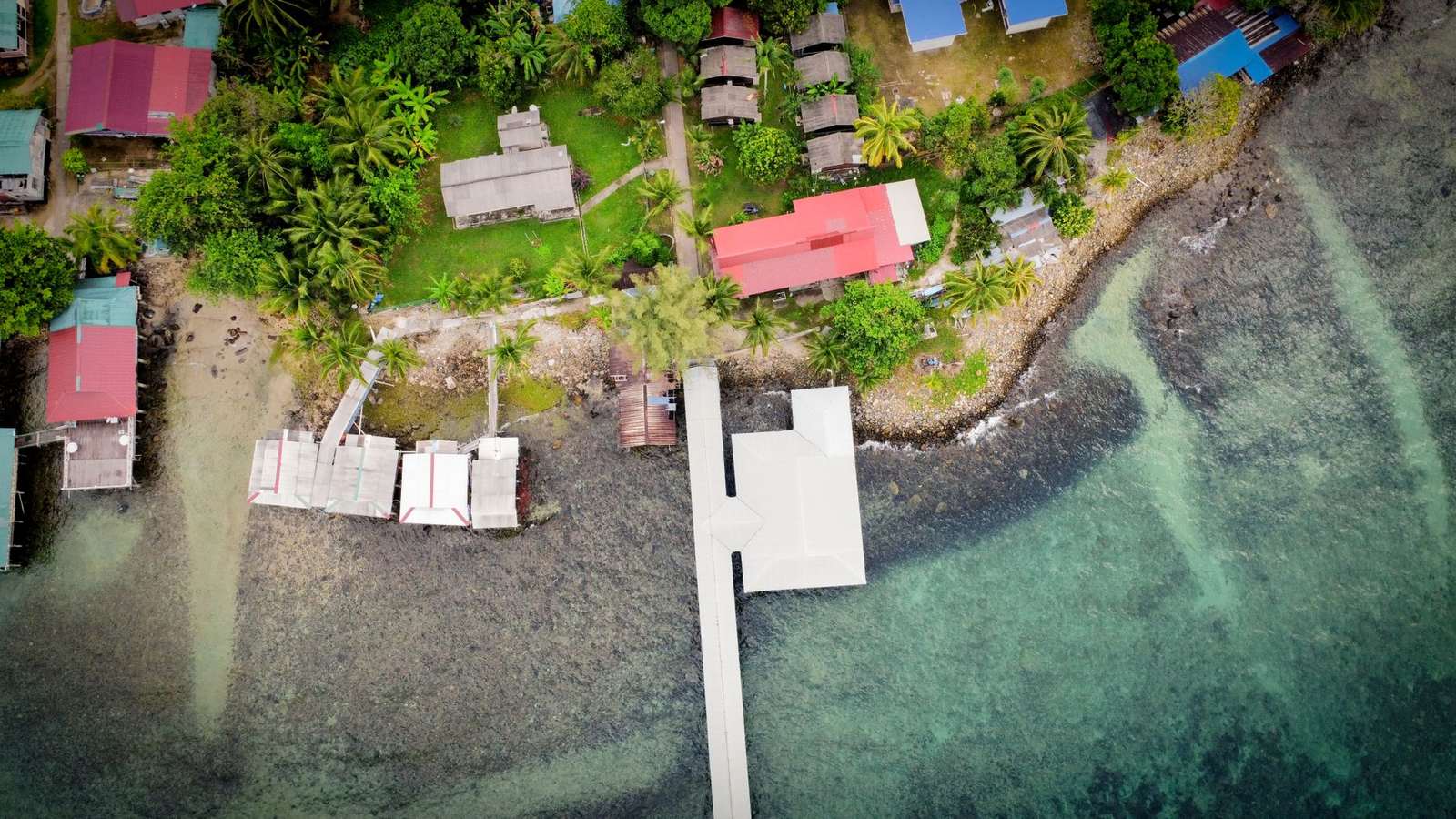
Coasts attract people. About 40% of the world’s population live within the “near coastal zone”, the area below 100 m elevation and within 100 km of the coast, according to the Blue Paper. More than 200 countries have a coastline, and the near coastal zone is where much of their transport, commercial, residential and national defence infrastructure sits.
A 2023 study in the journal Sustainability, indexed on IDEAS/RePEc, notes that the coastal zone represents 9% of the land worldwide and is highly populated. Its case study, the industrialized Gulf of Elefsis, lies 18 km from Athens, Greece. The authors built a decision-making tool that classifies the SDGs by their importance for a sustainable blue economy there.
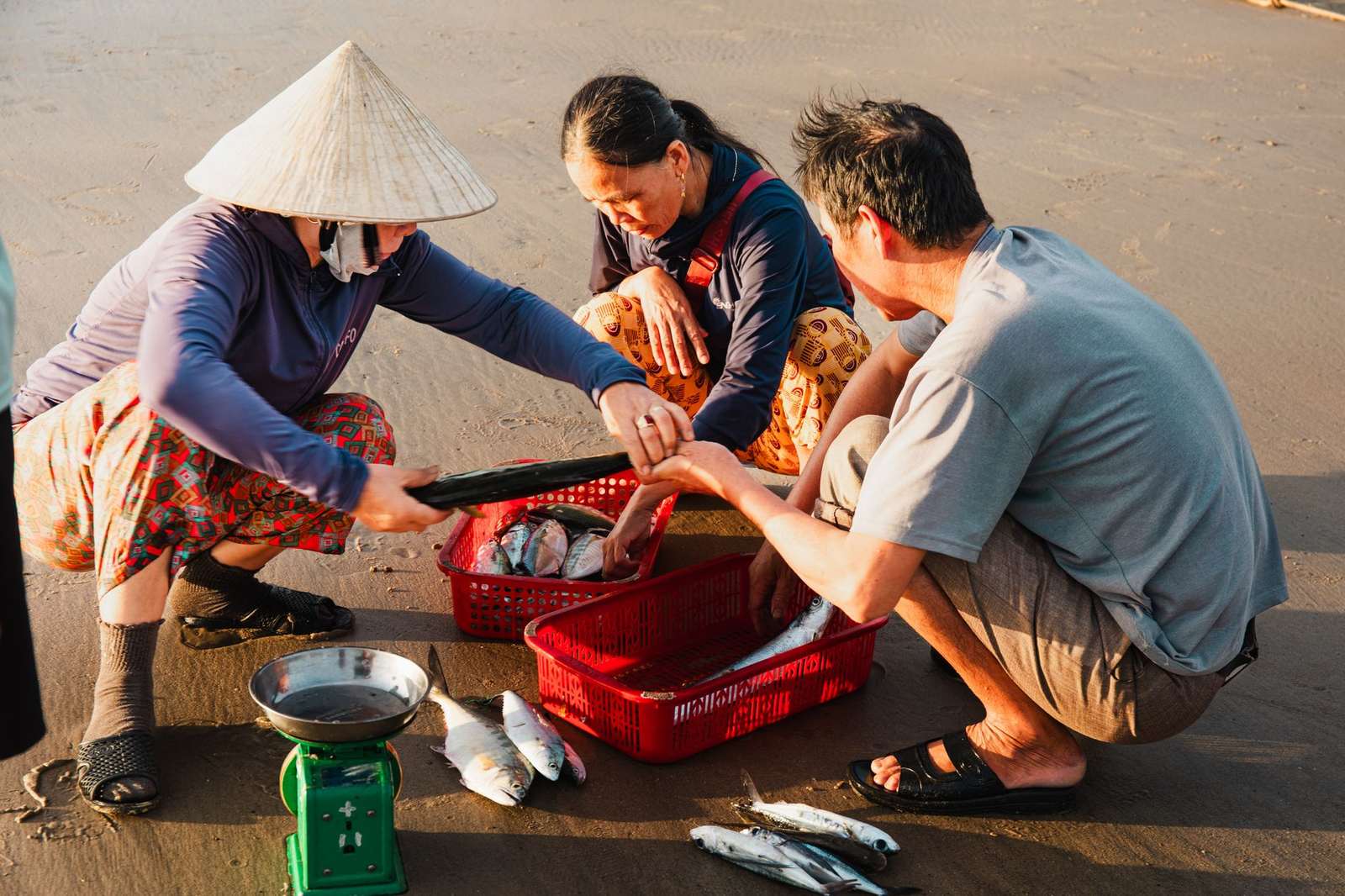
People rely on coasts for more than space. The Blue Paper says coasts sustain the livelihoods of hundreds of millions of people, from small-scale fisheries and aquaculture to shipping, energy and tourism. Intact ecosystems also provide regulating, supporting and cultural services that underpin the ocean economy.
The guide to coastal ecosystem services explains these benefits in more depth. Readers who want a regional case can turn to the profile of the coastal ecosystems of Kenya and Mozambique.
The same Blue Paper lists the forces that challenge coastal ecosystems:
- extreme climate events that are escalating in frequency and severity;
- population growth and urbanisation;
- poor upstream land practices;
- conversion of coastal habitats;
- environmental impacts from industry, pollutants and over-exploitation of resources.
The damage is physical, through the loss, fragmentation and alteration of ecosystems. It is also functional, through a loss of resilience that reduces the ability of coastal environments to resist and recover from shocks.
Why is integrated coastal management hard to put into practice?
The Coastal Wiki points to features that set the coast apart from ordinary territorial governance:
- the coastal zone has no fixed administrative boundary, because it is defined by evolving land-sea interaction processes;
- it usually has no single entrusted government, so several local, regional and national institutions share mandates;
- its physical and ecological state is highly dynamic;
- it provides ecosystem services with significance far beyond the coastal area itself.
Problems also tend to arrive slowly. Urban or touristic development, saline intrusion, biodiversity decline, climate change, sea level rise and land subsidence often develop gradually, so the situation may have deteriorated substantially or irreversibly by the time they feel urgent.
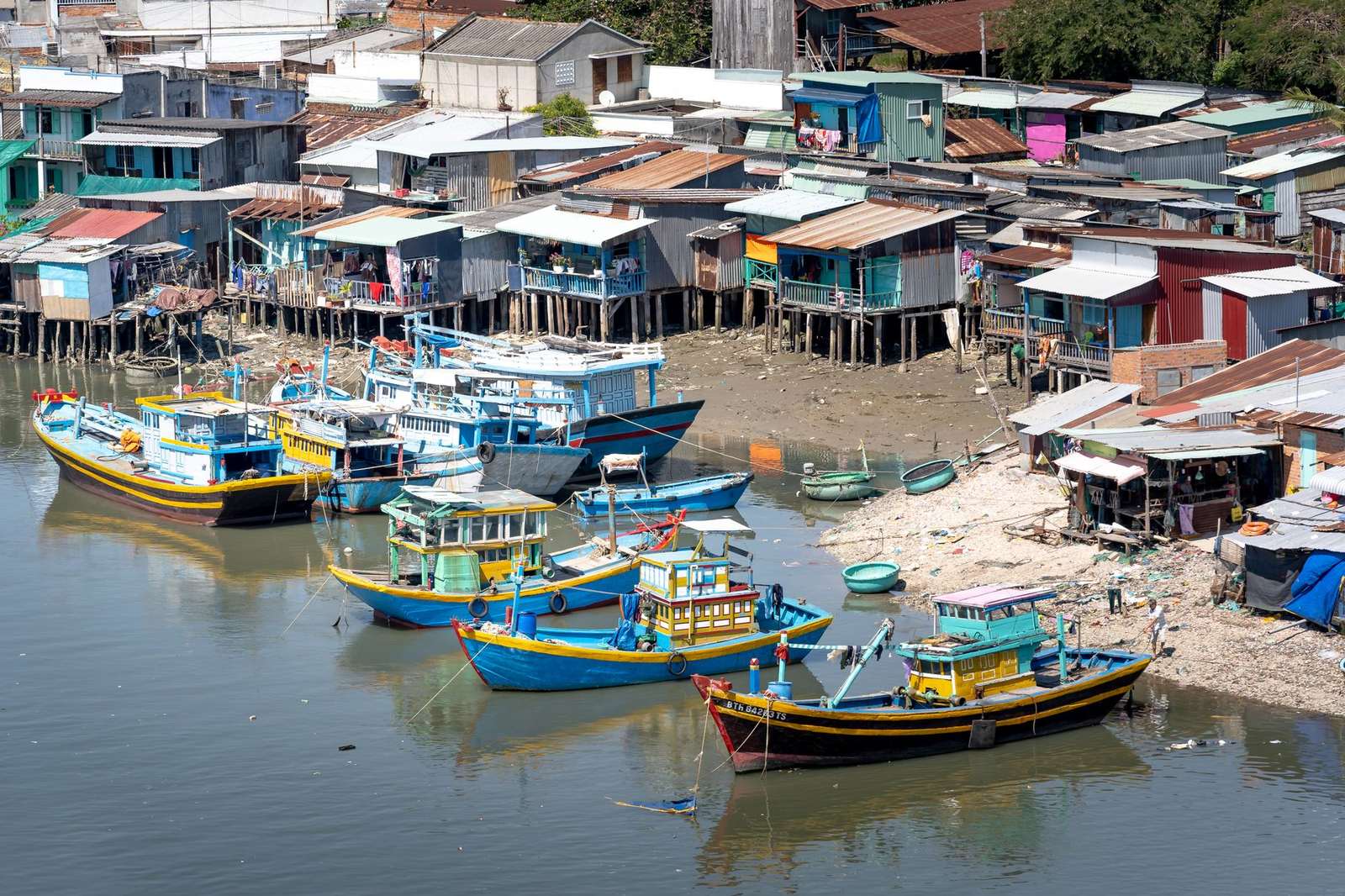
Responsibility is usually split among ministries with different and sometimes competing interests, such as public safety, infrastructure, nature conservation, water, planning, housing, fisheries, agriculture, tourism, industry and cultural heritage. Local authorities can be overruled by sectoral authorities at a higher level and may have little staff expertise on coastal interactions. For this reason the wiki argues that ICZM should be anchored at a high political level.
The wiki lists six impediments, each paired with a common objection:
| Impediment | How the objection is often voiced |
|---|---|
| Lack of public awareness | People tend to underestimate natural hazard risks |
| Low political priority | There are more urgent issues to address |
| Lack of institutional cooperation | ICZM trespasses on our field of competence |
| Lack of funding | Investments do not yield short-term visible benefits |
| Lack of monitoring | No information is an excuse for inaction |
| Lack of experts | Experts do not understand politics and vice versa |
The impediments and objections in this table are drawn from the Coastal Wiki page on integrated coastal zone management; check the page before relying on its wording.
The wiki adds that structural, legal or institutional adjustments are in many cases only made after a disaster has occurred. It also notes that competing interests such as tourism, port development, real estate pressure and short-term political priorities can conflict with long-term coastal resilience.
Tools: from ICZM to marine spatial planning
A 2017 progress report to the Intergovernmental Oceanographic Commission of UNESCO, available on OceanExpert, describes the commission’s integrated coastal area management programme. It names science-based tools such as integrated coastal area management, marine spatial planning, ecosystem-based management and the large marine ecosystem approach.
The programme’s three objectives were:
- to increase collective capacity to respond to change in coastal and marine environments through those tools;
- to build the capacity of member states to apply ecosystem-based management tools;
- to promote the integration of climate change adaptation and coastal hazards preparedness through area-based management approaches.
The third objective links to the guide on climate adaptation coastal communities.
Marine spatial planning has its own momentum. According to the same report, an international conference on the topic in March 2017 brought together more than 300 users of the ocean from 73 different countries. A joint roadmap agreed that year sets the objective to triple the area of territorial waters benefiting from effectively implemented planning by 2030, reaching one third of waters under national jurisdiction.
The report also records that the Council of the European Union adopted conclusions on 3 April 2017 that welcomed the increasing worldwide interest in maritime spatial planning. Those are statements as of mid-2017, and later progress is not covered here.
Area-based and locally led tools are covered in separate guides. Readers can follow up on marine protected areas benefits and on community-based fisheries management.
Four opportunities for action and the blue economy
The Blue Paper, titled “Coastal Development: Resilience, Restoration and Infrastructure Requirements” and published in 2020, proposes four coastal opportunities for action:
- build ecosystem resilience;
- mitigate impacts of terrestrial and extractive activities on coastal ecosystems;
- advance sustainable, future-proofed blue infrastructure;
- enhance community resilience, equity and access.
Habitat restoration is one route to resilience, and the guide to mangrove restoration projects looks at it in detail. Community resilience and equity connect to the guide on ecosystem services and poverty alleviation.
Paying for this work is a recurring question, since the wiki lists lack of funding among the impediments. Two guides cover finance tools: payment for ecosystem services and blue carbon credits.
The Blue Paper also warns that poorly designed and operated infrastructure can create harmful environmental and social impacts and can sometimes leave an unserviceable burden of debt. It argues that the full range of economic, social, cultural and environmental values must be balanced through enduring partnerships and active stewardship from government, industry and communities.
The blue economy is closely tied to these ideas. A 2014 issue of the magazine Tropical Coasts, published on the PEMSEA website, reports on the East Asian Seas Congress held in July 2012, which drew more than 1,200 participants from 25 countries.
The congress defined the blue economy as a sustainable ocean-based economic model that depends largely on coastal and marine ecosystems but uses green infrastructure, technologies and practices. The guide to the blue economy meaning compares this with other uses of the term.
Frequently asked questions
What is sustainable coastal development?
Show answer
It is development on and near the coast that balances environmental, economic, social, cultural and recreational objectives within the limits set by natural dynamics. The Coastal Wiki quotes this as part of the European Commission’s definition of integrated coastal zone management.
What is integrated coastal zone management?
Show answer
It is a resource management system that takes an integrative, holistic approach and an interactive planning process to complex coastal issues. It integrates objectives, instruments, policy areas, sectors, levels of administration and the land and sea components of a territory, as the Coastal Wiki explains.
Why do so many authorities share responsibility for the coast?
Show answer
The coastal zone has no fixed administrative boundary and usually no single entrusted government. Local, regional and national institutions hold different mandates, which is why the Coastal Wiki calls for coordination at a high political level.
How many people live near the coast?
Show answer
About 40% of the world’s population live within the near coastal zone, defined as below 100 m elevation and within 100 km of the coast. This figure comes from the Blue Paper, and it can change as data are updated.