Wondering whether healthy nature really helps people out of poverty? The evidence on ecosystem services and poverty alleviation says yes, sometimes, but the gains are uneven and depend on who controls and benefits from resources.
This page is part of the wider topic of sustainable coastal development, which looks at how coasts can support people and nature together.
| Item | Value |
|---|---|
| Length of the ESPA research programme | 9 years |
| Delivery period | 2009-2018 |
| Research projects funded | Over 120 projects |
| Countries where projects ran | More than 50 countries |
| Assessment that prompted the programme | Millennium Ecosystem Assessment, 2005 |
These figures come from the University of Edinburgh Research Office and the Taylor & Francis book listing. Figures can change, so check the source before you rely on them.
Where the idea of ecosystem services for poverty reduction came from
The Millennium Ecosystem Assessment of 2005 found that substantial gains in human wellbeing had been achieved at the expense of high and often irreversible ecosystem degradation. The UK Government developed the Ecosystem Services for Poverty Alleviation (ESPA) programme in response, according to the University of Edinburgh Research Office.
The programme was delivered between 2009-2018. As of that university’s page, published in October 2025, the ESPA Directorate closed in mid-2018, so the evidence described here is a finished body of work rather than a running programme.
What does the evidence say about the link?
The honest summary is that the link is complex. A Scientific Data editorial on the programme describes the linkages between ecosystem services and poverty alleviation as complex and poorly understood. Three themes recur across the sources:
- Gains in wellbeing have often gone hand-in-hand with rising inequalities and increasing vulnerability of the more marginalised to environmental shocks and stresses, as the same editorial notes.
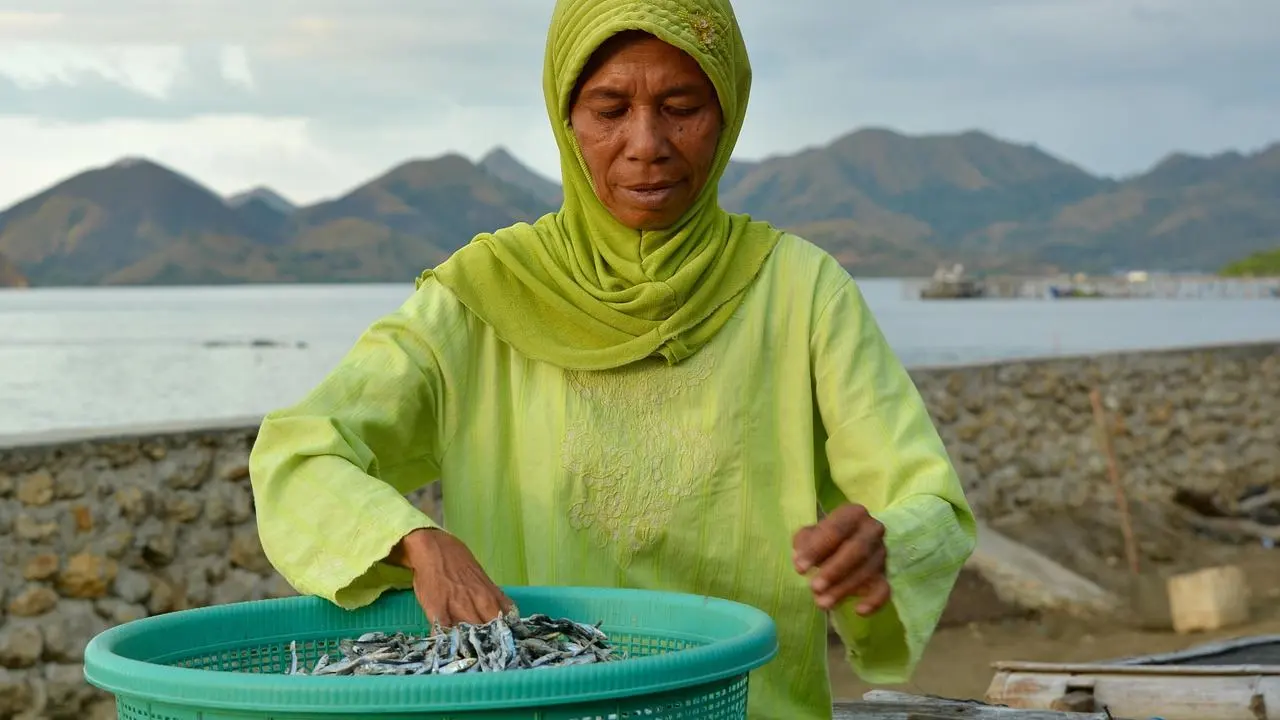
- The world’s poorest people are often most directly dependent on ecosystems, for example when firewood or fertile cropland becomes scarce, according to an ESPA impact story.
- Policy and programmes that use environmental resources carry implications for wellbeing and may bear hidden human costs unless they are assessed with care, says the Edinburgh summary.
Why who benefits matters as much as how much
ESPA research looked at many dimensions of wellbeing. It suggested that the different ways social groups (women and men, youth and elders, ethnic groups, rich and poor) use and value environmental resources should be recognised in decision-making, as the Edinburgh summary puts it. It also emphasised that equity and justice are environmental issues.
One ESPA group promoted the idea of just ecosystem management. Its argument, reported in an ESPA impact story, is that whose rights are recognised and how benefits are distributed or traded off often determine whether gains from ecosystems reach those most in need.
Gender is one area where the book listing for Ecosystem Services and Poverty Alleviation: Trade-offs and Governance flags a gap, with a chapter titled “Gender and ecosystem services: A blind spot”.
Coastal and delta examples
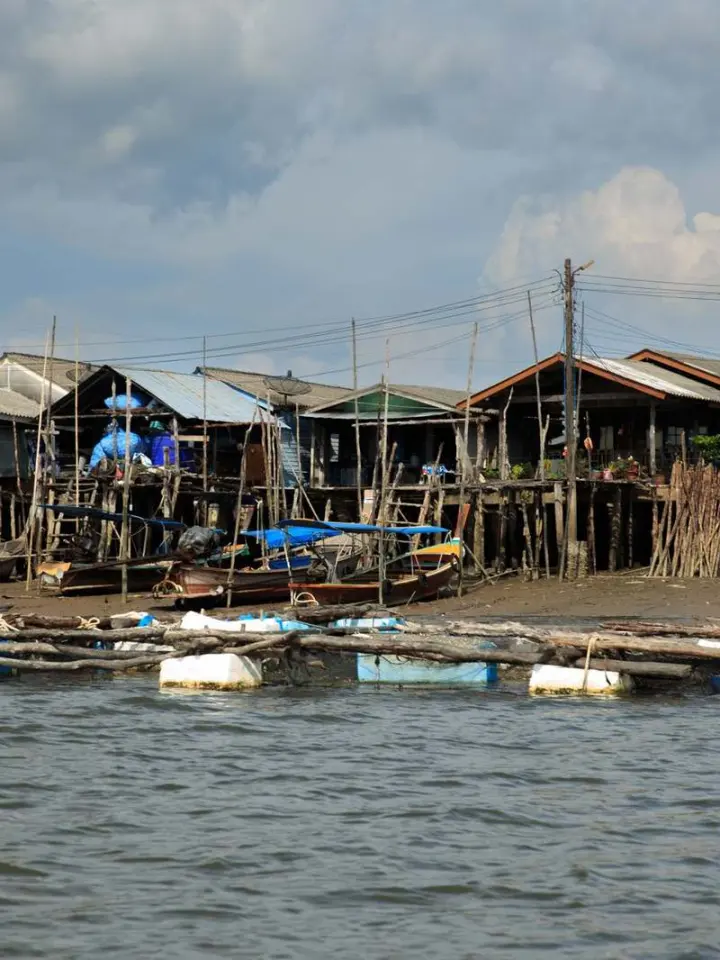
The datasets in the Scientific Data collection cover ecosystems ranging from montane catchments to coastal deltas, mangrove and island forests, according to the editorial. In the Ganges-Meghna-Brahmaputra delta, one study began with a land cover classification of seven dominant production systems.
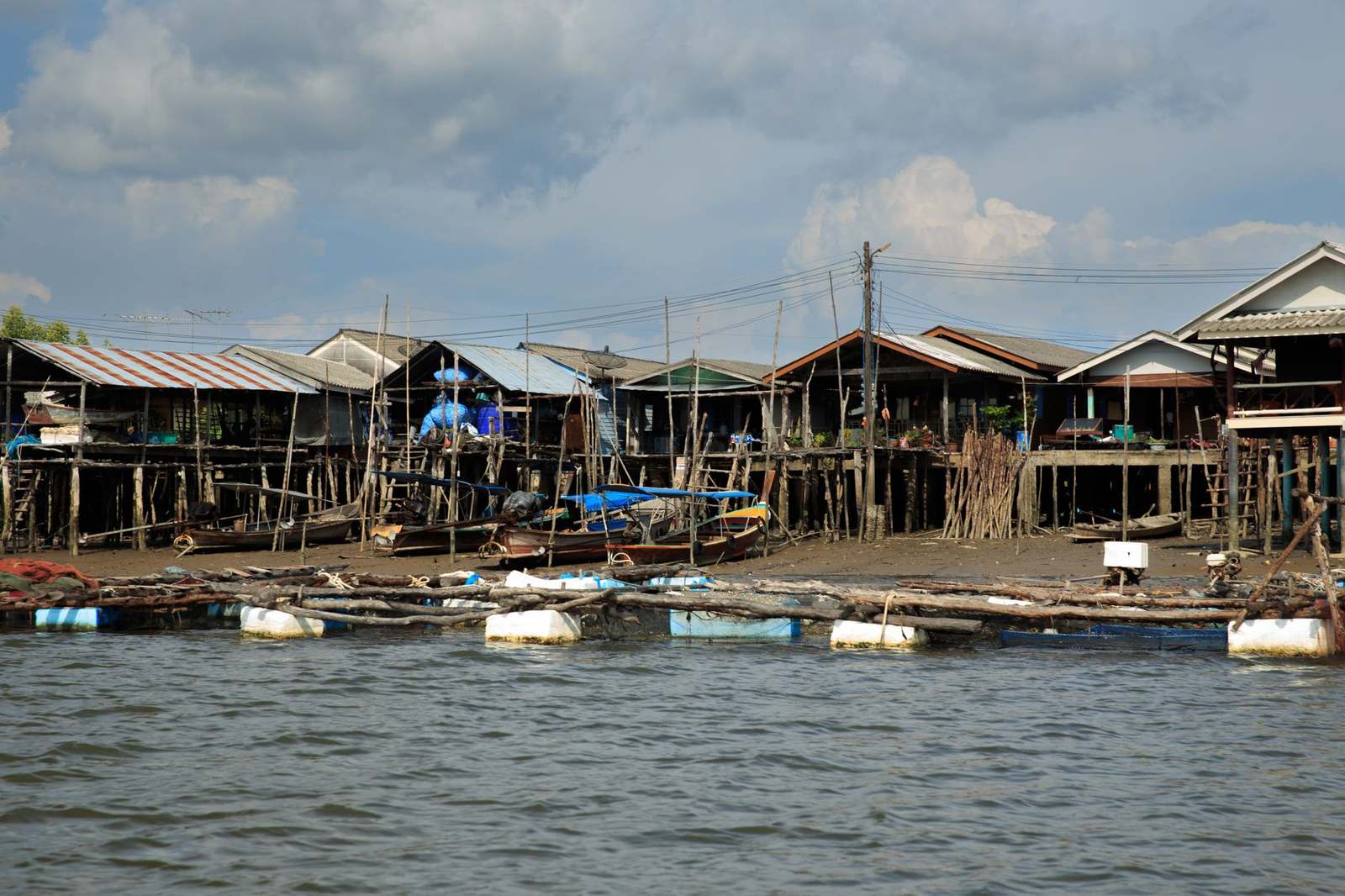
On Kenya’s coast, a project called Swahili Seas agreed a deal to sell carbon storage from conserved and restored mangroves. An ESPA impact story from October 2011 described it as the first “carbon credit” project for mangroves. Part of the income from its carbon contract was planned to employ local villagers and fund new community buildings.
The wider restoration picture is covered in this guide to mangrove restoration projects.
A short film from the ESPA Deltas and ECOLIMITS teams, described on the DECCMA project site, looked at how ecosystem services diversify livelihood options for vulnerable people. It also covered smallholder coffee farmers in Ethiopia and cocoa farmers in Ghana. How coastal households respond to storms and rising seas is picked up in the guide to climate adaptation coastal communities.
Payments, indexes and controls: how projects tested the link
ESPA projects tried several ways to measure whether conservation helps people. Three examples show the range:
- Payments for ecosystem services in Bolivia. A project applied ideas from experimental economics to measure whether a payment scheme can improve forest cover and people’s lives, and the scheme signed up farmers for in-kind payments such as beehives, per the ESPA impact story.
- An index of lost services in China. Researchers combined six life-sustaining resources into a single Ecosystem Services Index, which the same story says has halved in 40 years.
- Paired catchments in the Andes. Hydrological data came from three countries, and comparing intervention and control sites let the study attribute effects to particular land use changes, as the editorial explains.
How can decision-makers use this evidence?
The book listing says its chapters challenge conventional wisdom in some areas and validate new methods in others. You can read the Taylor & Francis entry for the full chapter list. A practical reading of the sources gives these steps:
- Ask which social groups use and value a resource differently before changing how it is managed, in line with the Edinburgh summary.
- Compare intervention sites with control sites so that effects can be attributed to a change, as in the Andean work described by the editorial.
- Involve local users in shaping research questions and validating data, which the same editorial describes as in-depth, two-way participation.
- Treat the published datasets as baselines for future studies of environmental change and interventions, as the editorial suggests.
Frequently asked questions
What was the ESPA programme?
Show answer
It was a UK research programme that explored links between the environment and human wellbeing, delivered between 2009-2018, according to the University of Edinburgh Research Office.
Does protecting ecosystems automatically reduce poverty?
Show answer
The sources do not say so. The Scientific Data editorial calls the linkages complex and notes that wellbeing gains have often come with rising inequalities.
What is a payment for ecosystem services?
Show answer
It is a scheme that rewards people for protecting an ecosystem. In a Bolivian example, an ESPA impact story describes in-kind payments such as beehives that allow steady income from intact forests.
Where can you read the full findings?
Show answer
The programme’s themes were drawn together in an open access book, Ecosystem Services and Poverty Alleviation: Trade-offs and Governance, first published in 2018 and listed by Taylor & Francis.