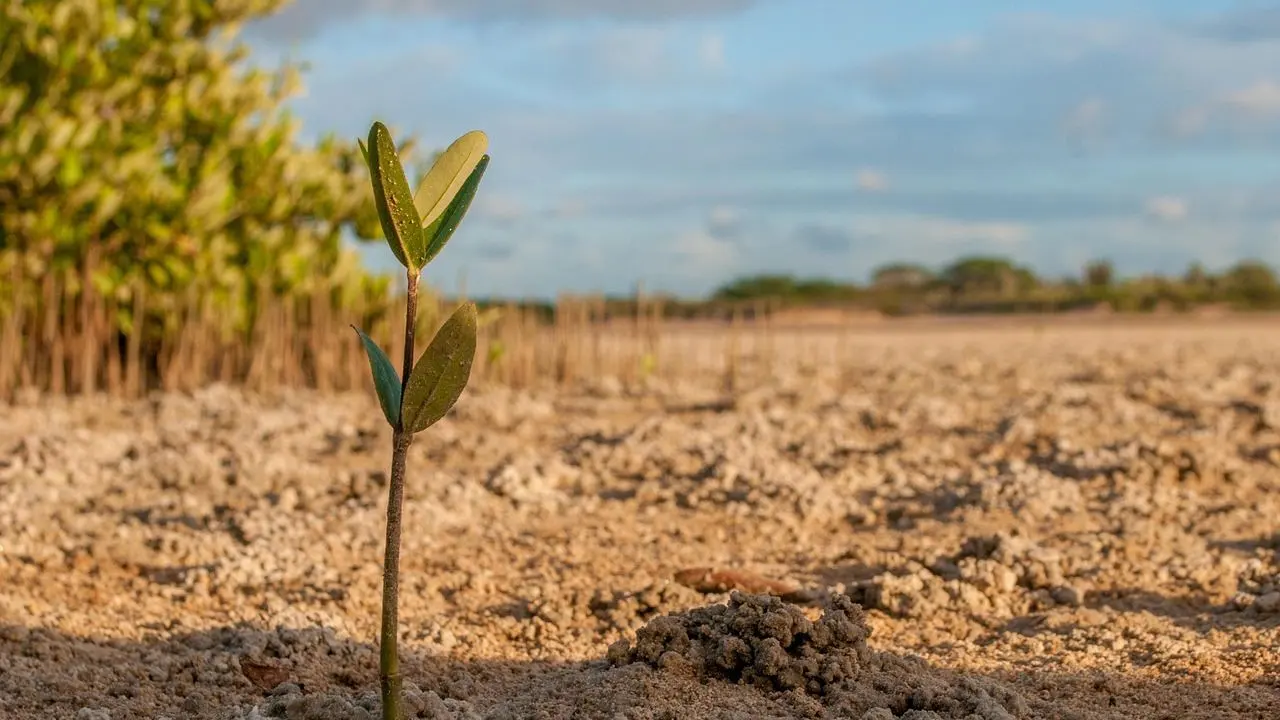
If your planting keeps failing, you’re not alone: many mangrove restoration projects fail. The fix usually starts with finding why the forest died, then restoring water flow and letting trees regrow.
This guide is part of a wider look at sustainable coastal development, where mangrove work meets planning, livelihoods and long-term care of the shoreline.
| Item | Value |
|---|---|
| Reported failure rate of mangrove restoration projects | 70% or more |
| Survival horizon argued for | 10-25 years |
| Jiquilisco Bay wetland complex, El Salvador | 63,200 hectares |
| Taklong Island rehabilitation target met, Philippines | Around 38 hectares in 2017 |
| Average blue carbon stock, Katunggan Ecopark | About 408 t/ha |
| Community forestry stewardship, Taw Htwin Gyi, Myanmar | About 300 acres |
These figures come from a Mongabay analysis and an Asia-Pacific adaptation case study. They can change, so check the source before you rely on them.
Why so many mangrove restoration projects fail
A January 2025 analysis published by Mongabay says that restoration efforts still show a failure rate of 70% or more. Its author argues that the emphasis should move from the number of trees planted to the number that survive over 10-25 years, not just for a month or a year.
The same analysis points to several recurring causes:
- Projects move straight into nurseries and planting without understanding why mangroves were lost, what stresses the site, or why there is no natural regeneration.
- Poor site choice and poor matching of species to the site.
- Plantation-style planting that uses very few species.
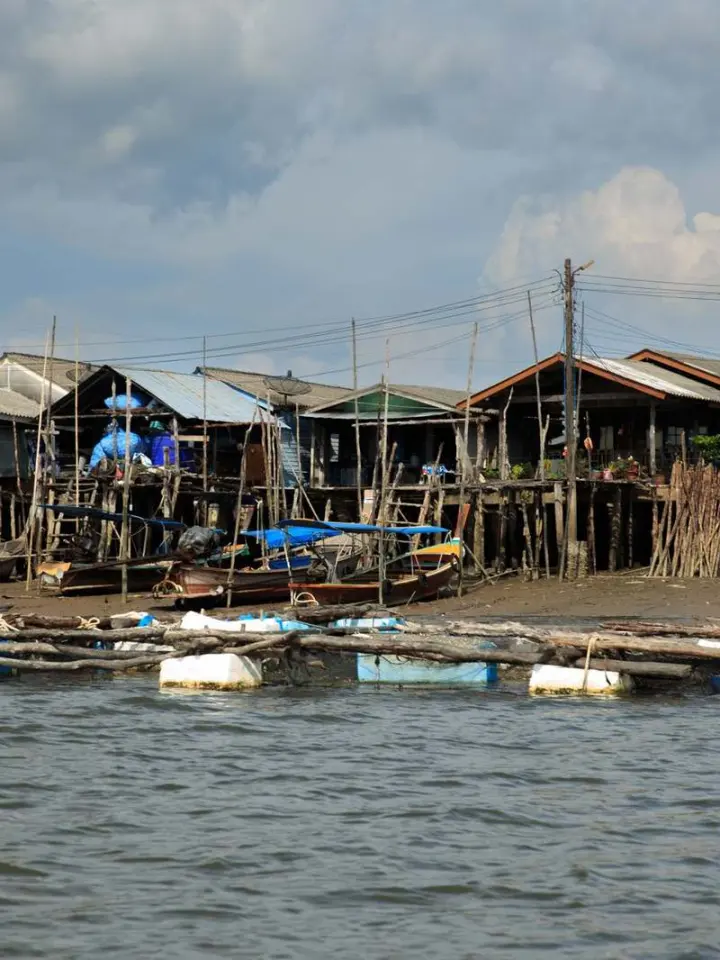
An Asia-Pacific adaptation case study describes the same pattern in the Philippines and Myanmar, where rehabilitation often struggles with unsuitable sites, rapid planting targets and weak local ownership.
How community-based ecological restoration works
The Mongabay analysis describes Community-Based Ecological Mangrove Restoration, or CBEMR, as a method that improves local hydrology and topography, removes or reduces stressors on the mangroves, and encourages natural regeneration. Community involvement is a core part of it.
The Asia-Pacific case study defines ecological mangrove restoration as matching species to hydrology and site conditions, protecting natural regeneration, and avoiding planting in unsuitable habitats. Put together, the sources point to a sequence like this:
- Find out why the mangroves were lost and what is stopping them from regrowing.
- Fix the cause, such as blocked water channels, and reduce stressors on the site.
- Protect natural regeneration, and plant only where the site and species match.
- Monitor regularly and replace dead seedlings based on survival.
- Agree tenure, roles and incentives with the community that will look after the forest.
A Kenyan example: clearing blocked channels in Lamu
A Wetlands International account describes a group of 15 friends and family members in Lamu, Kenya, who set up nurseries and planted seedlings. For years most of the seedlings died, and the group did not know why.
In 2022, Wetlands International and Mangrove Action Project introduced community members to CBEMR. The account notes that mass planting can fail because the wrong species were used or because the hydrology of the area was never restored.
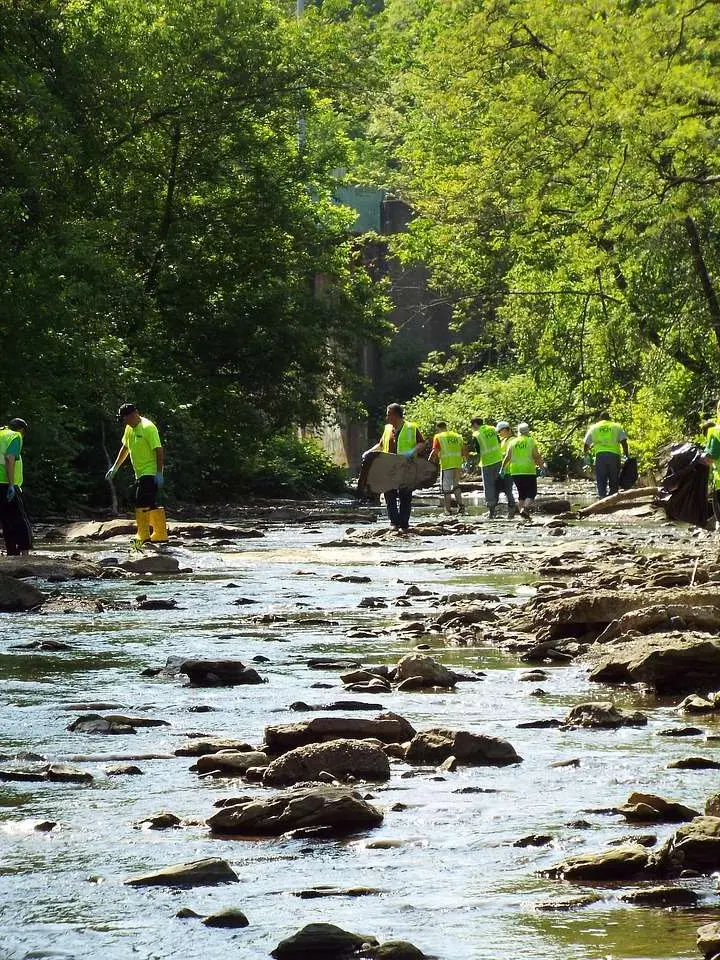
In early 2024, the community and Wetlands International assessed mangrove dieback at a waterlogged site in Muhogoni, on the outskirts of Koreni Village. They determined the cause to be sediment flow that blocked natural water channels. A group of thirty individuals spent four days unclogging the waterways with spades and hoes.
The group returned four months later and found some natural regeneration already taking place. The account adds that natural regeneration takes time, and that community members want sources of income that do not depend on cutting down mangroves.
What El Salvador, the Philippines and Myanmar add
The January 2025 Mongabay analysis focuses on Jiquilisco Bay in El Salvador, a wetland complex of 63,200 hectares that includes a UNESCO Biosphere Reserve of 40,000 hectares. Mangrove Action Project introduced CBEMR principles to national authorities and NGOs there in a 2011 workshop, and the work of a local NGO, Asociación Mangle, involves 12 villages.
The Asia-Pacific case study compares participatory rehabilitation in several places:
| Site | Approach | Reported result |
|---|---|---|
| Taklong Island National Marine Reserve, Philippines | A people’s organization, the protected area board and agencies monitored quarterly and replaced dead seedlings based on survival | Target of around 38 hectares met in 2017 |
| Leganes, Iloilo, Philippines | National Greening Program funding for labor and seedlings | Another 5 hectares, costing PHP 1.5 million (approx. US$30,000 at that time) |
| Taw Htwin Gyi, Myanmar | A shrimp farming community conserved remaining mangroves and formalized rights through community forestry | About 300 acres under stewardship; 20 acres replanted in 2018 with Avicennia and Bruguiera |
The figures in this table come from the Asia-Pacific adaptation case study; they can change, so check the source before you rely on them.
Training in these cases was practical. Field sessions taught simple checks, such as planting seedlings at least 1 foot tall or with six or more leaves.
Carbon, livelihoods and what restoration is for
At Katunggan Ecopark in the Philippines, a blue carbon assessment reported an average stock of about 408 t/ha, with roughly 97% stored in sediment, according to the case study. That suggests the soil, not only the trees, is where most of the carbon sits.
People are part of the picture too. In Jiquilisco Bay, most communities rely on the wetland for wood and marine creatures, and nearly 45% of rural households live in poverty, with a third in extreme poverty on less than $2 a day, according to the Mongabay analysis. The wider link between healthy coasts and household income is covered in this piece on ecosystem services and poverty alleviation.
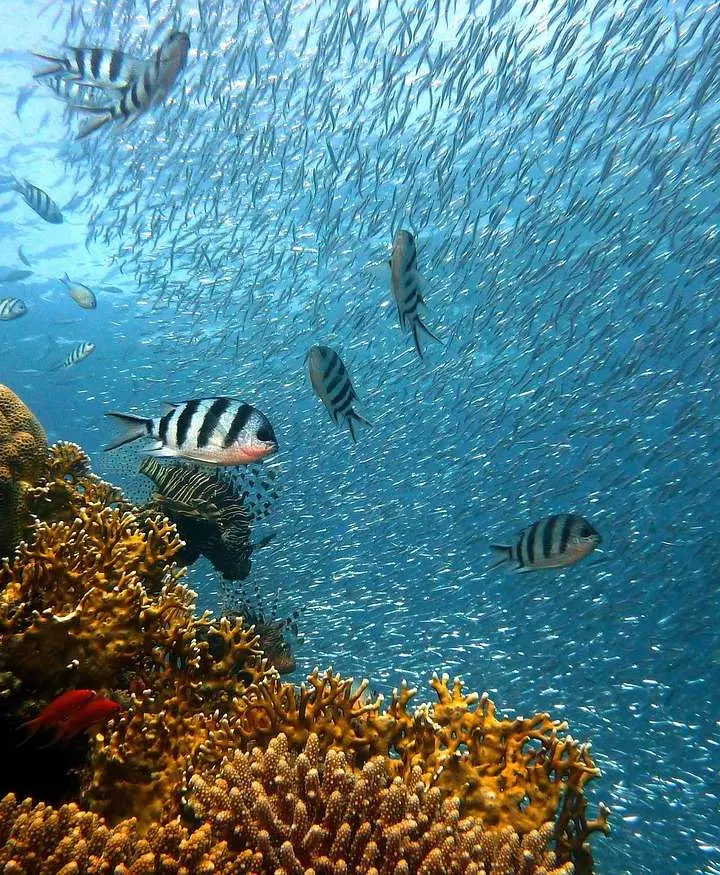
Mangroves also supply seafood for local communities, so community-based fisheries management is a closely related topic. The Wetlands International account notes that mangroves cover only 0.1% of the planet, as stated on its blog page.
A practical checklist before backing a project
The Asia-Pacific case study contrasts targets that favor rapid planting with approaches that emphasize site suitability and long-term maintenance. It stresses the need for clear tenure, realistic budgets and sustained monitoring. Questions worth asking of any project:
- Has the cause of mangrove loss been identified, and does the plan fix it?
- Has water flow been checked before any seedlings go in?
- Are species matched to the site, and is natural regeneration protected?
- Do local people have a defined role, rights and incentives?
- Is there a budget for monitoring and replacement over many years?
- Are there alternative income sources so the community does not depend on cutting the forest?
Frequently asked questions
Why do mangrove restoration projects fail?
Show answer
According to the Mongabay analysis, projects often go straight to nurseries and planting without understanding why mangroves were lost, and they suffer from poor site choice and species matching. In Lamu, the sources point to blocked water channels and unrestored hydrology as causes of seedling death.
What is CBEMR?
Show answer
It stands for Community-Based Ecological Mangrove Restoration. It focuses on improving local hydrology and topography, reducing stressors and encouraging natural regeneration, with the community involved in the work.
Is planting ever the right choice?
Show answer
The sources do not rule it out. In Myanmar, 20 acres were replanted in 2018 with Avicennia and Bruguiera, and planting in the Philippines cases followed protocols adjusted to local hydrology. The emphasis is on matching species to the site and avoiding unsuitable habitats.
How long should success be measured?
Show answer
The Mongabay analysis argues for survival over 10-25 years rather than a month or a year. Its figures and those of the other sources can change, so check the original pages before relying on them.