If you keep hearing the term and wonder what it covers, the blue economy meaning is simple: using ocean and coastal resources for growth and jobs while keeping marine ecosystems healthy. Definitions vary, though.
This guide sits within the wider topic of sustainable coastal development, which looks at how coastal places can grow without wearing down the ecosystems they rely on.
| Item | Value |
|---|---|
| Estimated global blue economy value, 2025 | US$2.3 trillion |
| Share of the planet covered by ocean | More than 70% |
| Year the ocean-focused meaning took shape (Rio+20 summit) | 2012 |
| Main linked UN goal | SDG 14 (Life Below Water) |
| Samoa’s ocean protection aim | 30% of its ocean |
| Globally accepted definition (World Bank, 2021) | None |
These figures come from Earth.Org’s mapping of the blue economy and the World Bank’s Riding the Blue Wave report. Estimates and definitions can change, so check the source before you rely on them.
What the blue economy means in practice
The World Bank’s 2021 report defines the approach as the sustainable use of ocean resources for economic growth, improved livelihoods and job creation while preserving the health of ocean ecosystems. The same World Bank report notes that there is no globally accepted definition, although the versions in use are fairly consistent.
Some organisations define it more widely. According to Earth.Org, Conservation International counts benefits that may not be marketed, such as carbon storage, coastal protection, cultural values and biodiversity.
Is the blue economy the same as the ocean economy?
Not quite. A traditional ocean economy measure counts any GDP that comes from marine activity, while the blue economy adds an explicit sustainability and equity condition, as the Model Diplomat glossary explains. Growth should not degrade ecosystems or exclude coastal communities.
Where the term came from
The phrase first appeared in 2010 as a waste-free business model inspired by nature, not as an ocean idea. It was then redefined in an oceanic context during the 2012 Rio+20 summit, according to Earth.Org.
At that summit, Small Island Developing States pushed back against a purely “green” framing that overlooked oceans, as the Model Diplomat glossary records. Their focus on sustainable marine resources as a driver of equity and resilience shaped the meaning used today.
Development institutions took it up as well. The World Bank’s report says the approach aligns with its twin goals of reducing extreme poverty and enhancing shared prosperity, as set out in its Riding the Blue Wave publication.
Sectors and goals the blue economy covers
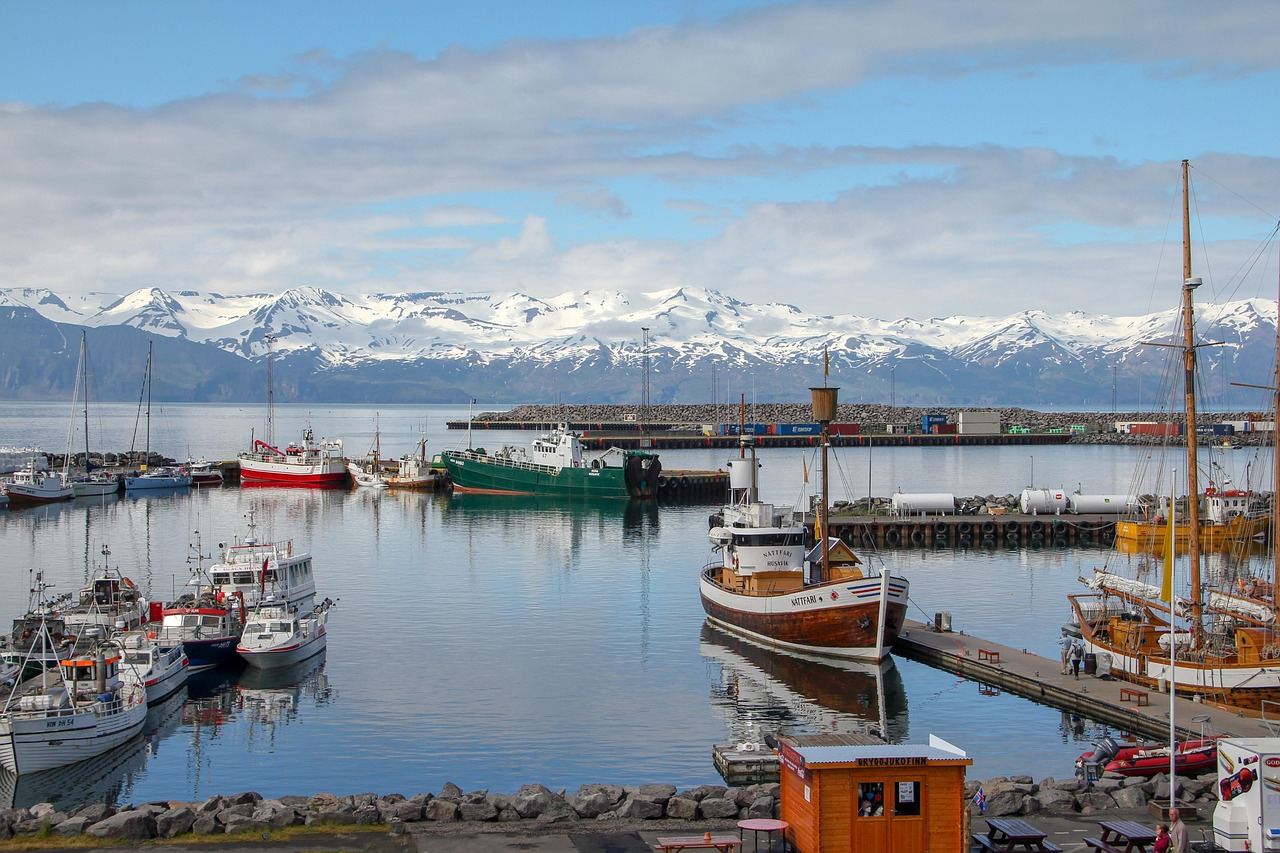
The Model Diplomat glossary describes economic activity drawn from marine and coastal environments. It lists these examples:
- Fisheries and aquaculture
- Shipping and port logistics
- Offshore energy, including wind and, more controversially, oil and gas
- Marine biotechnology
- Coastal tourism
The idea is closely tied to the UN’s ocean goal. Earth.Org puts it this way: the blue economy is the how (sustainable economic activities) that helps meet the what (ocean health goals) of SDG 14.
The same glossary says blue economy initiatives also intersect with several other goals:
- SDG 8 (decent work)
- SDG 13 (climate action)
- SDG 2 (food security via fisheries and aquaculture)
How sustainability is measured
No single number settles whether an ocean industry is sustainable. Earth.Org notes that one indicator cannot capture economic flows, ecosystem services and the level of degradation at once.
The European Commission’s Blue Economy Sustainability Framework uses four pillars to judge whether ocean-based industries are truly sustainable:
- Environmental, such as climate change impacts and marine pollution levels
- Economic
- Social, such as inclusivity, health and safety
- Governance
Ocean accounts add another tool. These frameworks organise data on ocean assets such as mangroves, economic activities such as fisheries sales, and social conditions such as coastal employment, according to the same Earth.Org overview.
National examples and financing
As of Earth.Org’s April 2026 overview, countries have built tailored approaches to the idea. Its examples include the following:
- Kenya treats the blue economy as a pillar of Vision 2030, focusing on tuna, seaweed farming, ports and tourism, and plans marine spatial planning that includes communities.
- India has placed the blue economy in national strategy with a draft policy framework that emphasises ocean accounting.
- Samoa’s Ocean Strategy aims at protecting 30% of its ocean.
Those details are drawn from the Earth.Org article. Kenya’s stress on community inclusion links naturally to community-based fisheries management, a related topic on this site.
Money matters too. The World Bank’s report describes a second work stream that explores blue financing, including mechanisms such as payments for ecosystem services and ways to “crowd in” private capital, in its 2021 publication. You can read how that tool works in this explainer on payment for ecosystem services.
Where the term is debated
Critics, including some NGOs and academics, argue the term can function as blue-washing. In their view it can legitimise extractive activities such as deep-sea mining or expanded offshore hydrocarbons under a sustainability label, per the Model Diplomat glossary.
Views also differ between countries. The same glossary says Pacific states, notably Palau and Fiji, have been vocal advocates of a more conservation-oriented reading, while major shipping and fishing nations tend to emphasise growth and competitiveness.
Deep-sea mining shows the split. As of the glossary’s review dated June 22, 2026, some governments and the International Seabed Authority frame regulated seabed mining as a potential blue economy sector, while France, Germany, Palau and Vanuatu have called for a moratorium or precautionary pause, per the Model Diplomat glossary.
Frequently asked questions
What is the blue economy in one sentence?
Show answer
It is the sustainable use of ocean resources for economic growth, improved livelihoods and jobs while preserving the health of ocean ecosystems, which is the World Bank’s wording.
Is there one official definition?
Show answer
No. The World Bank’s 2021 report states that there is no globally accepted definition, though the many versions are relatively consistent.
Which UN goal is most linked to the blue economy?
Show answer
SDG 14 (Life Below Water) is the primary linkage, according to the Model Diplomat glossary. It also touches SDG 8, SDG 13 and SDG 2.
How big is the blue economy?
Show answer
Earth.Org reports that it was valued at US$2.3 trillion in 2025 and is rapidly expanding. Estimates depend on what a source counts, so treat the figure as indicative.
Is deep-sea mining part of the blue economy?
Show answer
It is contested. As of the glossary’s June 22, 2026 review, some governments frame regulated seabed mining as a potential sector while others call for a pause.