Wondering what coastal ecosystem services actually do for you? They are the benefits mangroves, seagrass, salt marshes and reefs provide, from storm protection to carbon storage, and the figures below show their scale.
| Item | Value |
|---|---|
| Wave height reduction by mangroves | 13-66% over a 100-meter-wide forest |
| Global population in near-coastal zones (2010) | Over 27% (about 1.9 billion people) |
| Global population in low-elevation coastal zones (2000) | Over 10% (634 million people) |
| CO2 absorbed and stored each year by seagrass, mangroves and salt marshes | Up to 216 million tonnes |
| Blue carbon stored in marine sediment | Up to 22 billion tonnes |
These figures come from the ARIES coastal protection report (released 1 April 2026) and Clean Energy Wire’s July 2024 coverage of a German Environment Agency report. Estimates can change as new data arrive, so check the source before you rely on them.
What are coastal ecosystem services?
Coastal ecosystem services are the benefits people gain from habitats where land meets the sea. The best-documented group is coastal protection services, which the ARIES report describes as ecosystem contributions to mitigating the impacts of tidal surges, sea level rise, erosion and storms on local communities and coastal infrastructure.
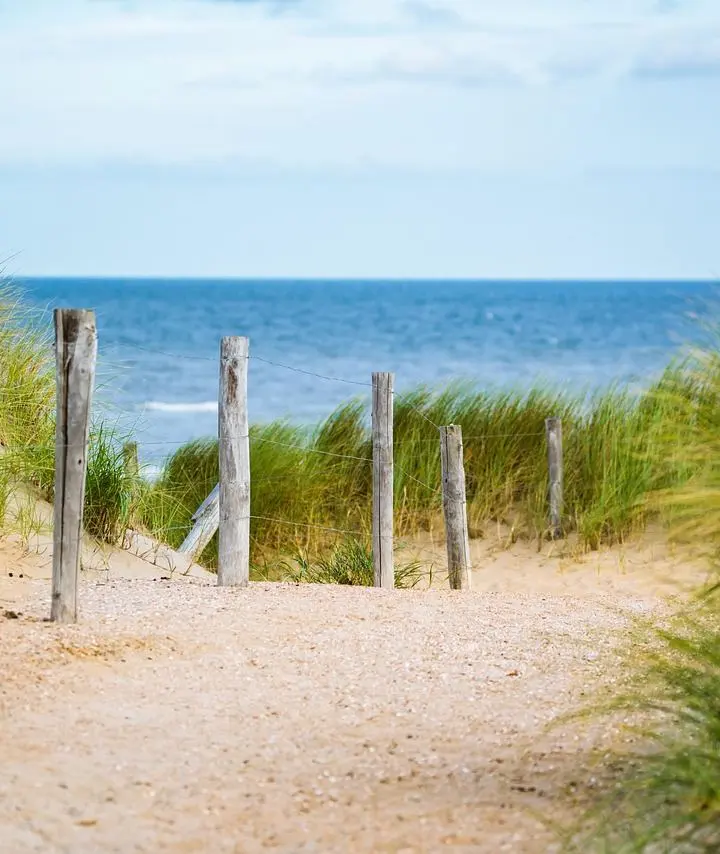
The same report names mangroves, salt marshes, coral reefs and seagrass as the coastal ecosystems that provide these services. It adds that the service is increasingly critical as sea level rise and extreme weather events accelerate under climate change.
The number of people who depend on the coast explains why this matters. According to the ARIES report:
- Near-coastal zones, meaning land within 100 km of the coast at elevations up to 100 m, were home to over 27% of the global population (about 1.9 billion people) in 2010.
- Over 10% of the global population (634 million people) lived in low-elevation coastal zones, land up to 10 m in elevation that is hydrologically connected to the sea, in the year 2000.
Protection is only one family of benefits. For the wider framework of provisioning, regulating, cultural and supporting services, see our guide to types of ecosystem services.
The main coastal habitats and what each contributes
Four habitats appear repeatedly in the sources: mangroves, salt marshes, seagrass meadows and coral reefs. Each has its own guide on this site, and each contributes in a different way.
- Mangroves have been shown to reduce wave heights by 13-66% over a 100-meter-wide forest, and our guide to mangrove ecosystem services covers the full range of benefits.
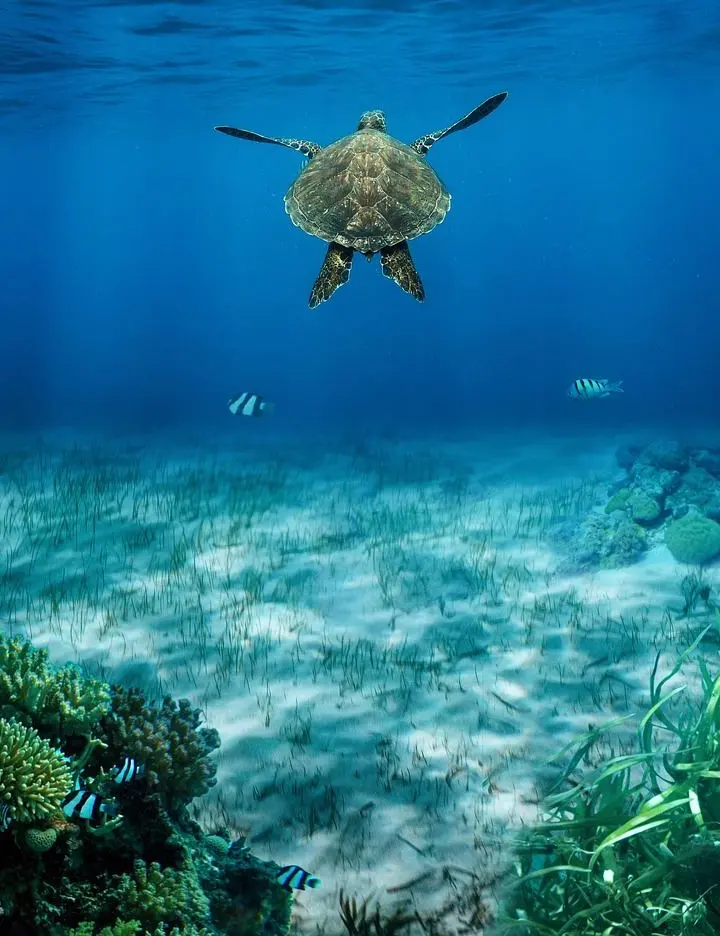
- Seagrass meadows are among the marine carbon sinks named in the 2024 report, and seagrass meadows carbon storage explains how that storage works.
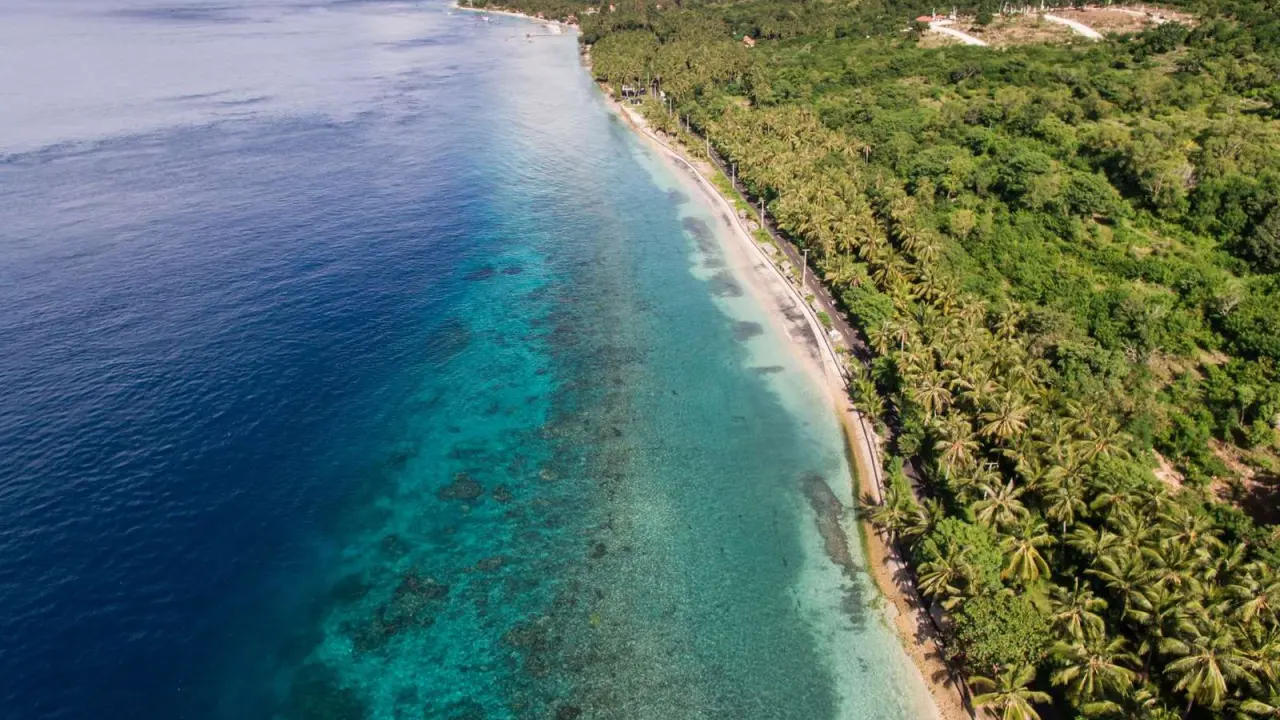
- Coral reefs are listed alongside mangroves, salt marshes and seagrass as providers of coastal protection, and coral reef ecosystem services looks at them in detail.
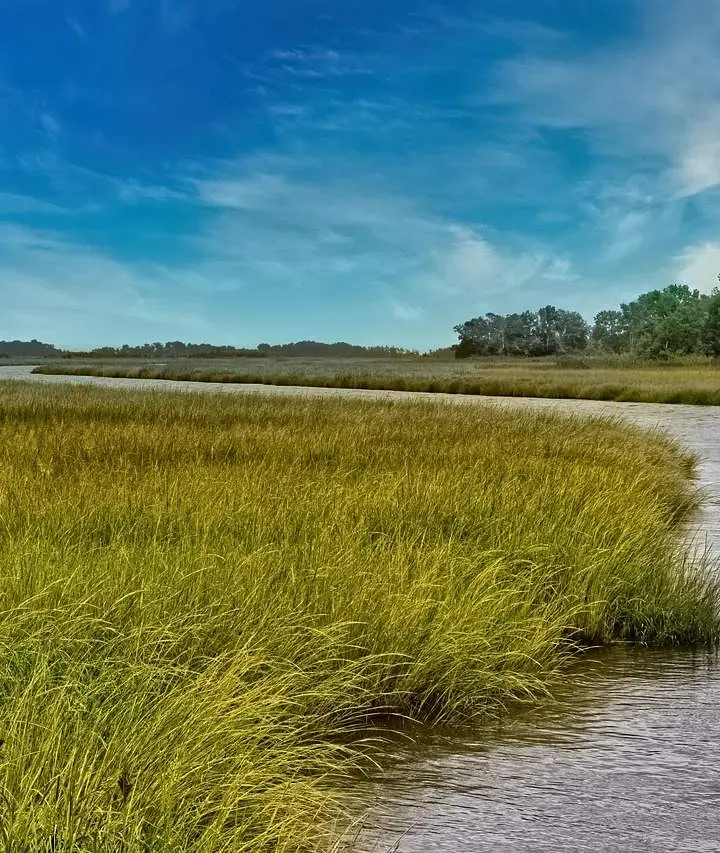
- Salt marshes, also called tidal marshes in the news coverage, count as both a protective habitat and a carbon sink, and salt marsh functions sets out what they do.
The 13-66% range is wide because results depend on the site. The ARIES report notes that the protection a habitat provides depends on its extent, structure and health, as well as its proximity to coastal populations and infrastructure.
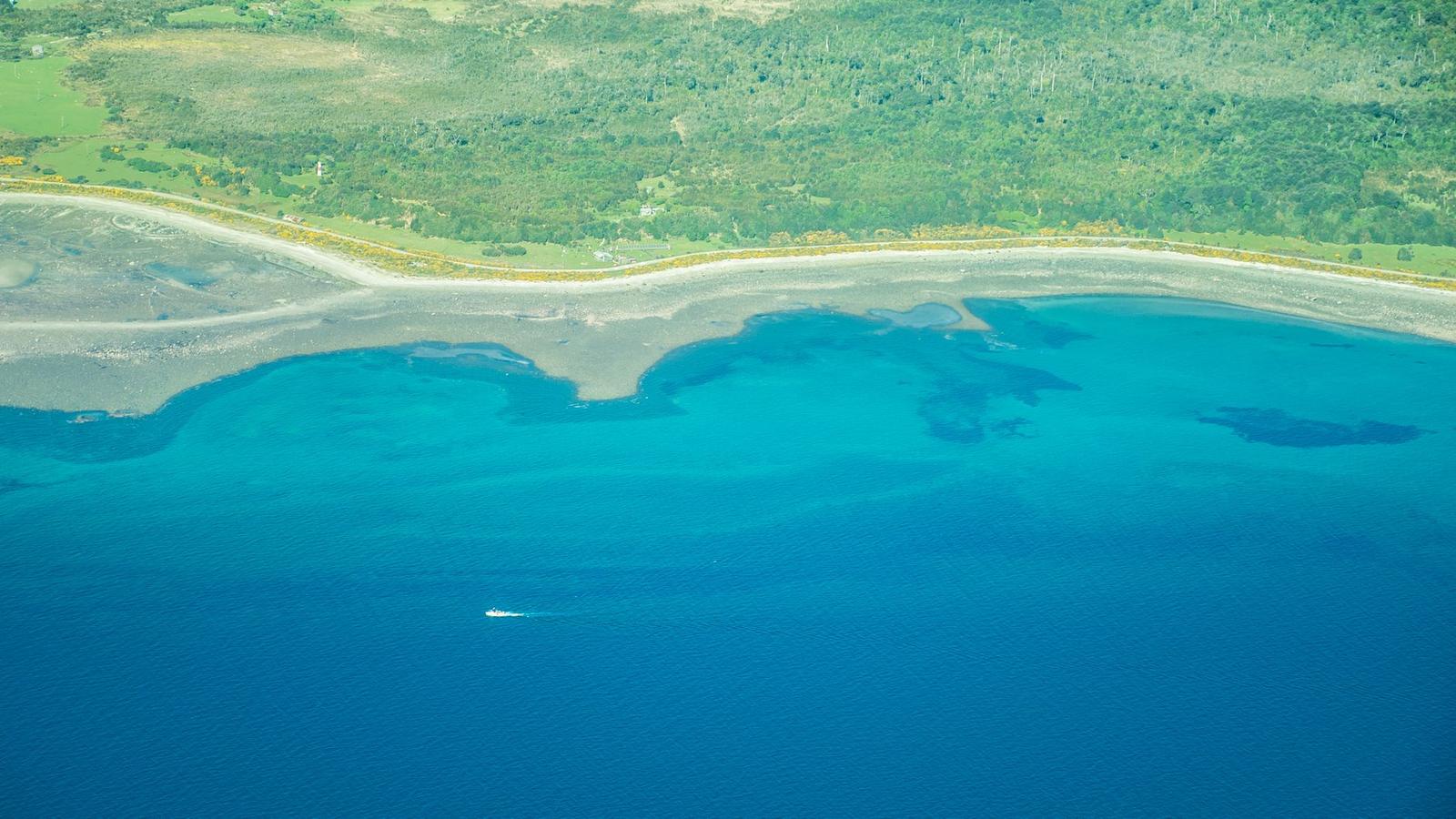
Estuaries sit between rivers and the open sea and are often discussed separately. The role of estuaries as nursery areas is covered in estuary nursery habitat fish.
How is coastal protection measured?
The ARIES report describes a modelling approach for estimating avoided risk, which it quantifies as the human population benefiting from the presence of a particular coastal protective ecosystem. The approach links ecosystems to the risk that people face from coastal flooding. In outline, it works as follows:
- Estimate how prone each coastal area is to flooding from wind waves, storm waves and surge. This hazard proneness index combines 7 sub-indices, including geomorphology, relief, natural habitats and wave exposure.
- Compute hazard proneness again with and without the presence of mangroves, salt marshes, seagrasses and coral reefs.
- Treat the difference between the two results as the potential supply of coastal protection in hazard-prone areas.
- Count the people in flood-prone areas who need protection, which the report treats as the demand for the service.
Comparing supply and demand shows which local populations benefit. The report also states that the output reveals populations whose demand for this service is not being met.
The method is a model, not a measurement of any single storm. How these habitats act on real events is explained in natural coastal protection from storms.
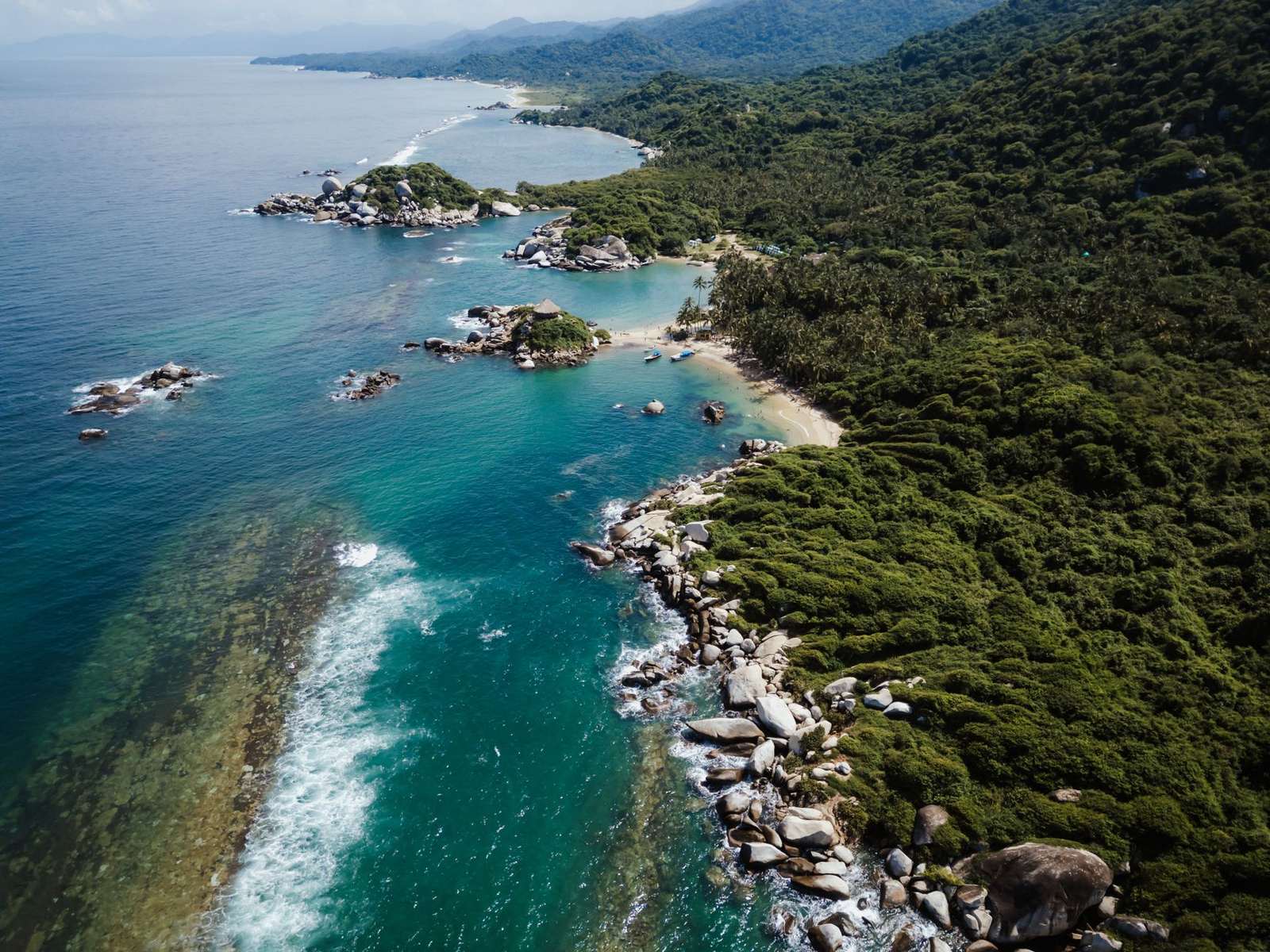
Blue carbon and climate regulation
Coastal habitats also act as carbon sinks. A report by the Öko-Institut and the Leibniz Center for Marine Tropical Research, prepared for the German Environment Agency and covered by Clean Energy Wire on 16 July 2024, found that seagrass meadows, mangrove forests and salt marshes can absorb and store up to 216 million tonnes of CO2 every year worldwide.
Over millennia these ecosystems have formed a store of up to 22 billion tonnes of blue carbon in marine sediment. The term refers to carbon that can be absorbed and stored by marine organisms, and blue carbon explained goes through the concept step by step.
The same coverage says these ecosystems also help preserve biodiversity in the seas and on the coasts, help protect against storm surges and support the sustenance and security of millions of people. It also quotes the report’s authors saying that many countries did not yet include these carbon sinks in their greenhouse gas balances, which would make carbon flows and human influence on them visible.
International cooperation on this topic exists. One example named in the coverage is HELCOM, the Baltic Marine Environment Protection Commission, which aims to protect the Baltic Sea from land, air and sea pollution, conserve habitats and ensure the sustainable use of marine resources.
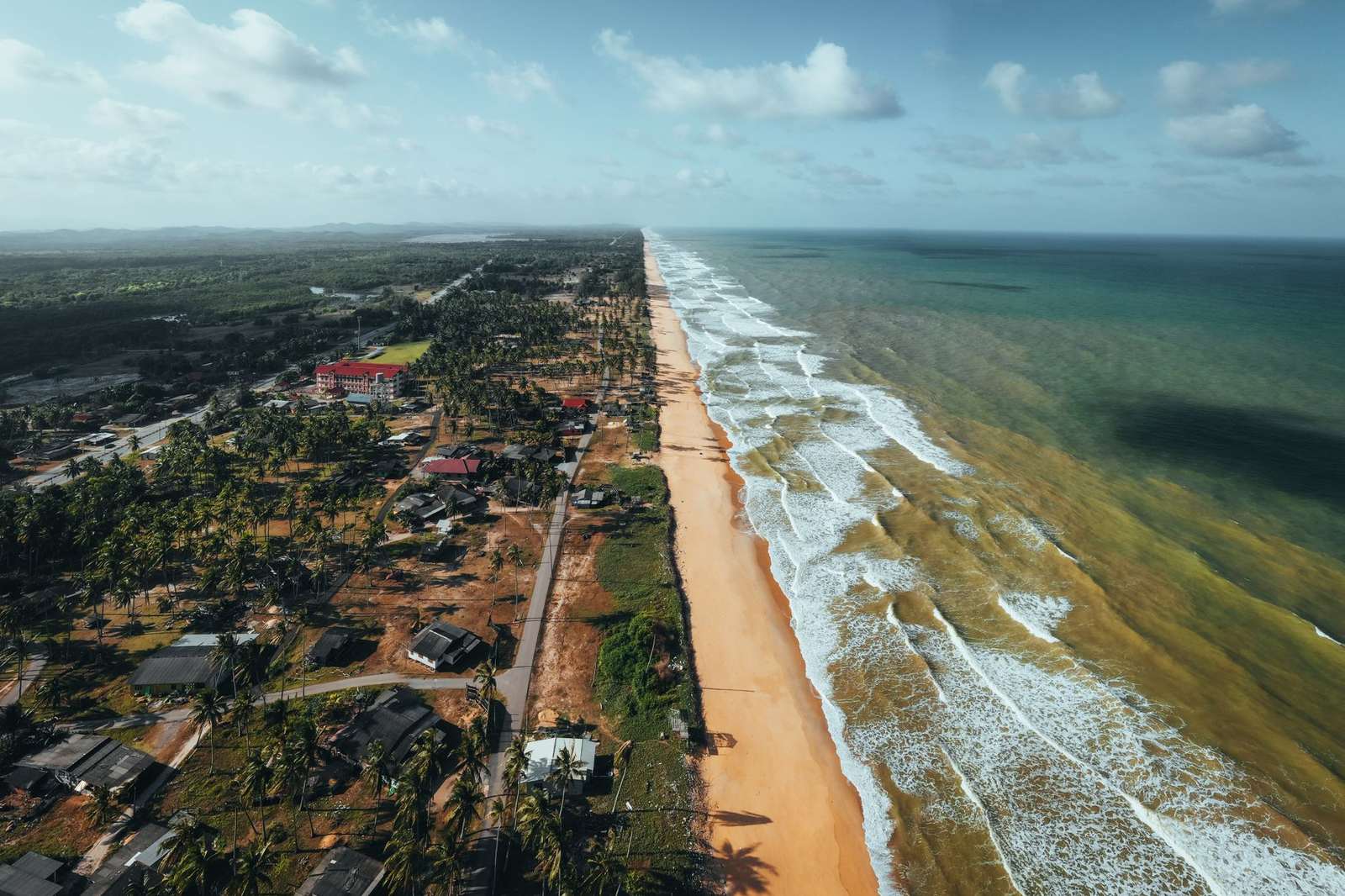
Using coastal ecosystem services in planning
The ARIES report argues that protecting and restoring healthy coastal ecosystems is crucial to enhancing the resilience of coastal communities and reducing damage costs. It also frames this as a chance to advance nature-based solutions for climate change adaptation and to curb biodiversity loss.
Planners who want to apply that idea can start with a few questions:
- Which habitats are present, and how extensive and healthy are they?
- How close are they to people and infrastructure?
- Is the demand for protection already being met, or are some communities left exposed?
How these questions fit into wider planning is discussed in our guide to sustainable coastal development. For regional examples, read about the coastal ecosystems of Kenya and Mozambique.
Frequently asked questions
What counts as a coastal ecosystem service?
Show answer
Any benefit people gain from coastal habitats. The ARIES report focuses on coastal protection, meaning the mitigation of tidal surges, sea level rise, erosion and storms, while the 2024 coverage highlights carbon storage and biodiversity.
How much carbon can coastal habitats absorb and store?
Show answer
According to the report covered by Clean Energy Wire in July 2024, seagrass meadows, mangrove forests and salt marshes can absorb and store up to 216 million tonnes of CO2 each year worldwide. Their accumulated blue carbon store in marine sediment is up to 22 billion tonnes.
How many people live close to the coast?
Show answer
The ARIES report cites over 27% of the global population (about 1.9 billion) in near-coastal zones in 2010. It also cites over 10% (634 million) in low-elevation coastal zones in the year 2000.
Do coastal habitats really reduce wave impacts?
Show answer
The ARIES report cites findings that mangroves reduce wave heights by 13-66% over a 100-meter-wide forest. The size of the effect varies with the extent, structure and health of the habitat.