Wondering why young fish gather in estuaries? The estuary nursery habitat fish use gives them food and refuge, but research shows its value varies by habitat and site.
This page is part of a broader look at coastal ecosystem services, which also covers benefits such as shoreline protection and nutrient cycling.
| Item | Value |
|---|---|
| Studies in the global salt marsh nursery meta-analysis | 32 studies |
| Habitat types compared in Texas and Louisiana shallow waters | 6 habitat types |
| Factors that can make a habitat a nursery | 4 factors: density, growth, survival, movement to adult habitats |
| Best measure of nursery value, per the 2003 report | Number of individuals moving from juvenile to adult habitats |
| Year the salt marsh meta-analysis was published | 2003 |
The figures come from a NOAA dataset catalog record (last updated April 30, 2026) and an Issues in Ecology report from Spring 2003. Figures can change as research is revised, so check the source before you rely on them.
What makes an estuary a nursery?
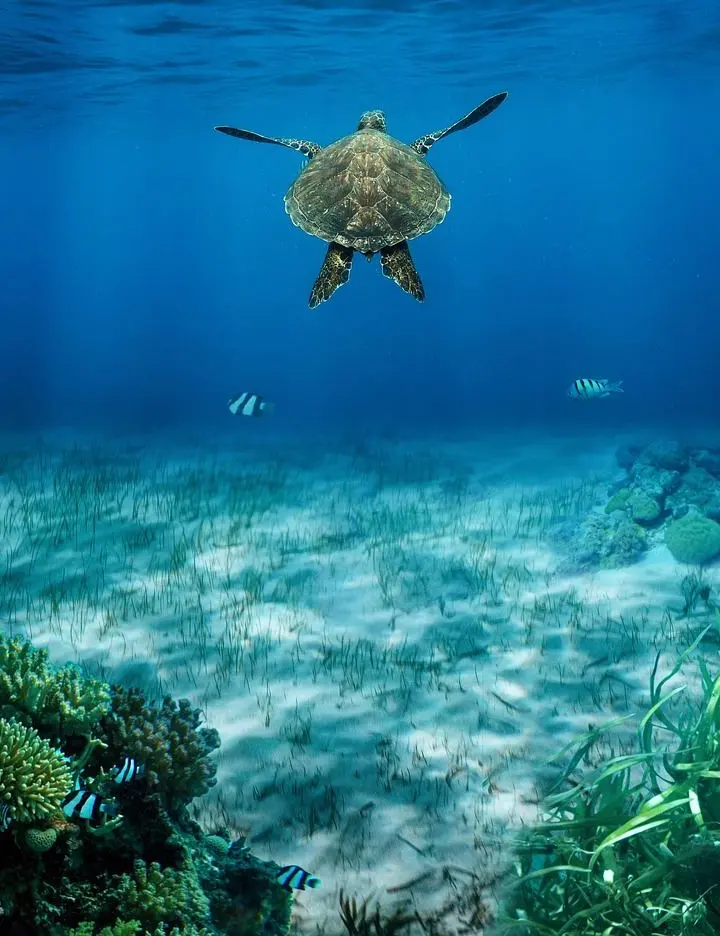
Seagrass meadows, marshes and mangrove forests hold large numbers of young fish, shrimp, oysters and crabs. As of the Spring 2003 Issues in Ecology report, the nursery role of coastal estuaries was well accepted by scientists, conservation organizations, fisheries managers and the public.
The report’s authors note that these ecosystems provide food and refuge that support a great abundance and diversity of fish. A crowd of juveniles is not the same as a nursery, though. They propose a testable definition: a habitat is a nursery for a species if it contributes disproportionately to the size and numbers of adults, compared with other juvenile habitats.
That contribution can come from any combination of four factors:
- the density of juvenile animals;
- their growth;
- their survival;
- their movement to adult habitats.
The report says it is not sufficient to measure a single factor such as density of juveniles. Researchers should compare multiple habitats, and an area counts as important nursery habitat only if it produces relatively more adults per unit of area than the other juvenile habitats the species uses.
The report names the movement of individuals from juvenile to adult habitats as the best measure of nursery value. It also admits this is hard to track.
Which habitats do young fish use?
A NOAA Southeast Fisheries Science Center dataset summarizes juvenile fish and other animal densities in shallow estuarine areas along coastal Texas and Louisiana. It compares six habitat types:
- Spartina alterniflora marsh edge;
- mixed-vegetation marsh edge;
- inner marsh, defined as 5 m from open water;
- submerged aquatic vegetation;
- oyster reefs;
- shallow nonvegetated bottom.
The analysis was restricted to data from enclosure drop samplers. The record says this technique provides comparable density estimates among highly diverse shallow-water areas.
The record’s conclusion is that all habitat types are likely essential for some fishery species. It also says the work highlighted many challenges in determining habitat-use patterns, and it calls for more systematic sampling to examine geographic variability.
What a global review of salt marsh nurseries found
A second paper in the same record, published in Marine Ecology Progress Series in 2003, examined the nursery role of salt marshes. It searched the world’s literature for data on density, growth and survival of juvenile fishes and decapod crustaceans, and analyzed density data from 32 studies.
Based on fish density, the record ranks habitat types from highest to lowest as follows:
- seagrass vegetated marsh edge;
- nonvegetated marsh;
- open water;
- macroalgae;
- oyster reefs vegetated inner marsh.
The catalog summary runs the last entries together without punctuation, so check the original paper for how those final habitats are separated. The summary adds that patterns of habitat use varied among the various fishes and decapod crustaceans represented.
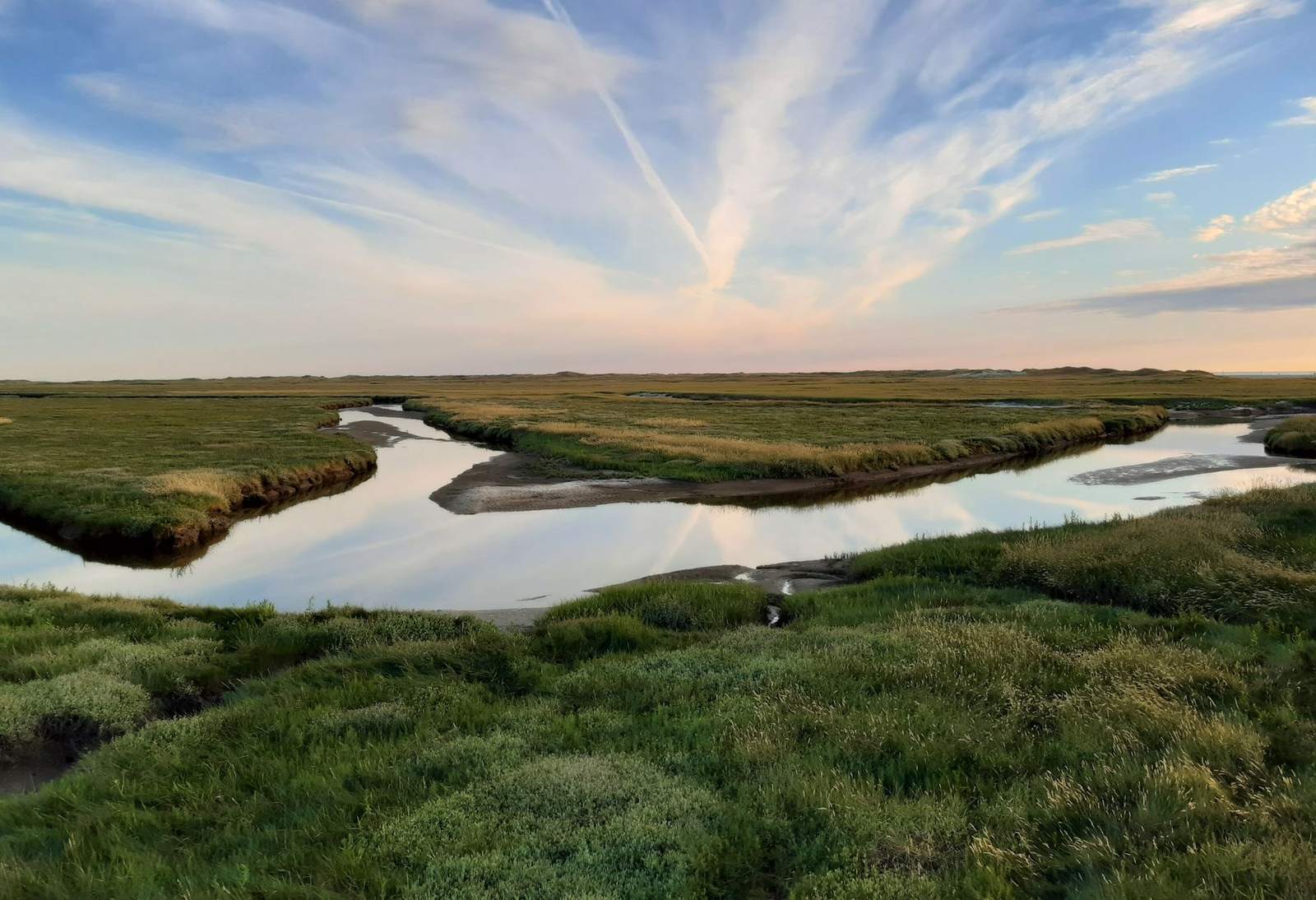
Why nursery value differs from place to place
The 2003 report finds variation between and within ecosystems in their value as nurseries. The nursery value of seagrass meadows, wetlands and other ecosystems also varies geographically. As the authors put it, not all marshes function equally as nurseries.
The report lists several reasons this matters:
- The concept of nursery habitat has been poorly defined.
- A lack of a clear definition has hindered the identification of valuable nursery habitats.
- Many ecosystems, such as oyster reefs and kelp forests, have been relatively unexamined as nurseries.
The authors add that understanding local differences in nursery quality would help prioritize efforts to halt habitat decline. That is why the density rankings above are a starting point rather than a final verdict.
What this means for protection and restoration
According to the 2003 report, conservation and management organizations commonly considered all seagrass meadows and wetlands to be nurseries. The authors warn that this assumption may hinder the protection of other ecosystems vital to marine biodiversity and commercial fishery stocks.
On restoration, the report said that results were equivocal at best as of its Spring 2003 publication. Where restoration and mitigation cannot be shown to return nursery value, the authors argue that more effort should be focused on conservation.
Marshes do more than shelter young fish, and the guide to salt marsh functions covers their other roles. Readers who want to look at another coastal service can continue with blue carbon explained.
Frequently asked questions
Is every estuary a fish nursery?
Show answer
No. The 2003 Issues in Ecology report says nursery value varies between and within ecosystems, and that not all marshes function equally as nurseries.
Does a high number of juvenile fish prove a habitat is a nursery?
Show answer
Not on its own. The report says measuring a single factor such as density of juveniles is not sufficient, and that growth, survival and movement to adult habitats also matter.
Which habitat held the most fish in the salt marsh meta-analysis?
Show answer
Ranked by fish density, seagrass vegetated marsh edge came first in the record’s summary of 32 studies. Patterns of habitat use still varied among the fishes and decapod crustaceans represented.
Have oyster reefs been studied as nurseries?
Show answer
The 2003 report described oyster reefs and kelp forests as relatively unexamined as nurseries. The NOAA record lists oyster reefs among six habitat types evaluated in Texas and Louisiana, and says all habitat types are likely essential for some fishery species.