Wondering what state Kenya coral reefs are in? Here is what the records show.
This guide forms one part of a wider overview of the coastal ecosystems of Kenya and Mozambique.
| Item | Value |
|---|---|
| Southern fringing reef, Shimoni to near Malindi | 200 km long |
| Live coral lost on most shallow southern fringing reefs in 1998 | 66% to 80% |
| Average coral cover on southern lagoon patch reefs after 1998 | Fell from 30% to 11% |
| Watamu Marine National Park, area | 10 km² |
| Watamu Marine National Park, year gazetted | 1968 |
| Coral cover across four Watamu patch reefs | 15% to 31% |
These figures come from a CORDIO/KMFRI status report and an A Rocha Kenya survey of Watamu. Reef figures can change, so check the sources before you rely on them.
Where Kenya’s reefs sit along the coast
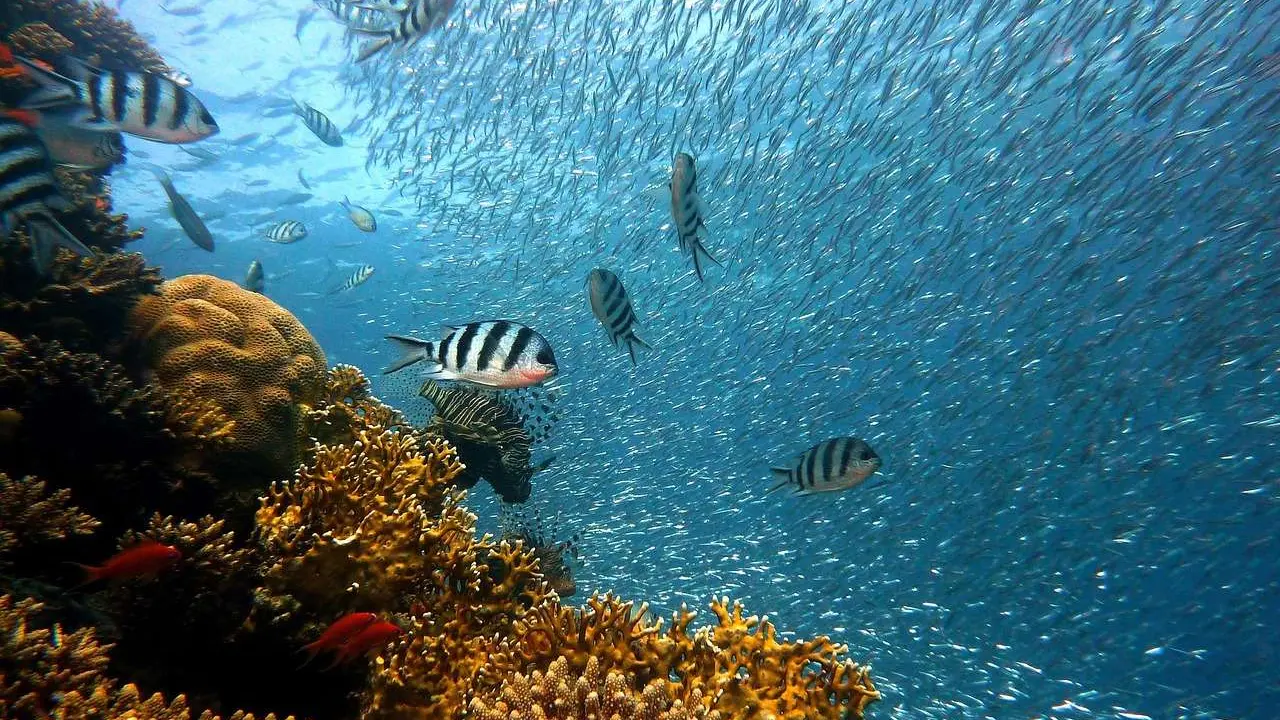
The best-documented stretch is a fringing reef 200 km long that runs along the southern coast from Shimoni to near Malindi, as described in the A Rocha Kenya survey. Malindi also marks the northern extent of the Western Indian Ocean coral reef region, which stretches south to Kwa-Zulu Natal in South Africa.
That region belongs to the wider Indo-Pacific zone. The same survey notes that East African reefs share much of their ecology, and even some species, with Hawaii and the Great Barrier Reef, but differ from Caribbean coral areas.
Three settings are worth keeping apart:
- Southern fringing reef: the long reef from Shimoni to near Malindi.
- Central patch reefs: the Watamu reefs, including Coral Gardens, Bennett’s Reef, Uyombo and Turtle Reef.
- Northern reefs at Kiunga: mainly patch reefs, with fringing reef in the northern part of the reserve.
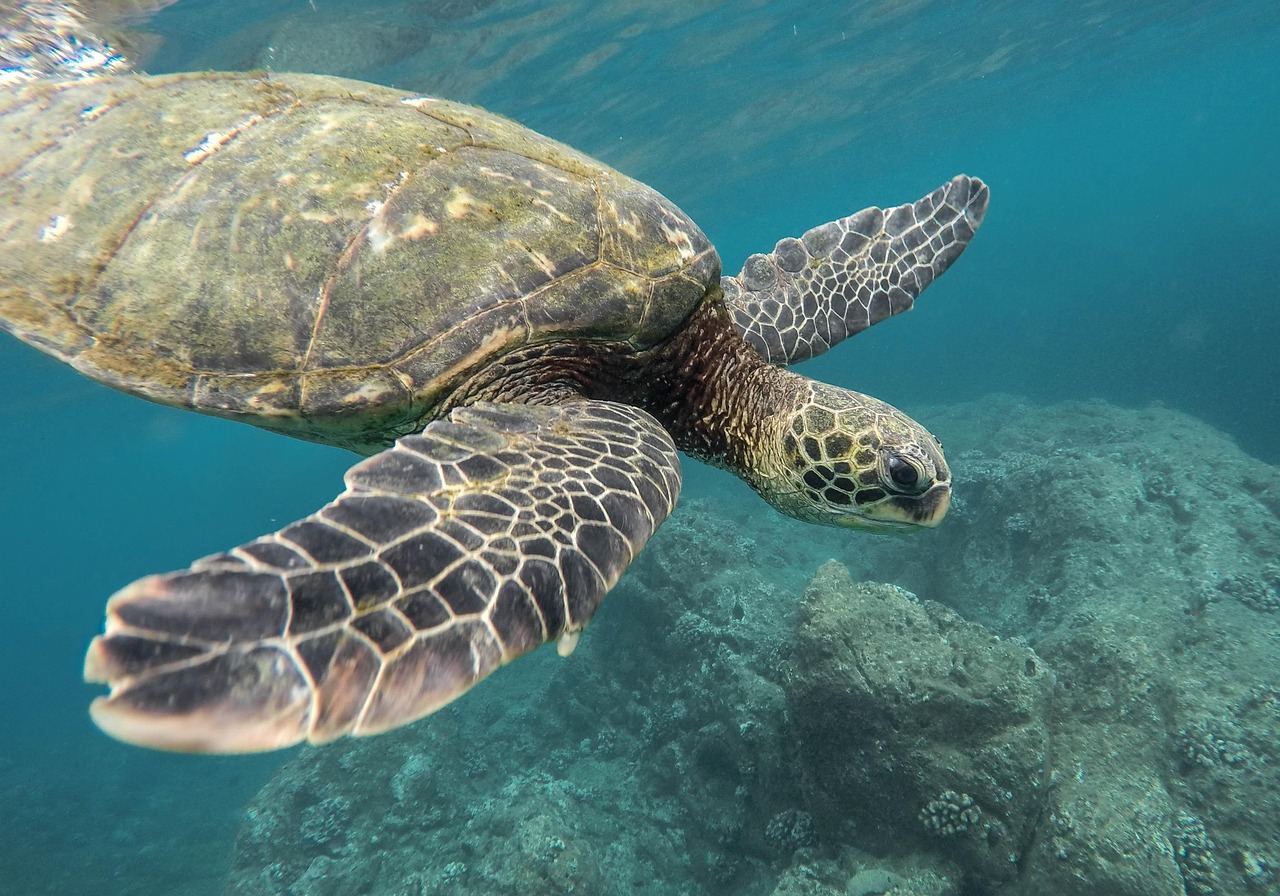
Kiunga Marine National Reserve sits at the northernmost stretch of the coast, where the north-flowing East African coastal current meets the south-flowing Somali current and creates nutrient-rich upwelling. The reserve covers 250 km² and is a refuge for sea turtles and dugongs, according to a Reef Resilience Network case study.
Coral cover on northern reefs was lower even before 1998. The status report links this to a gradual transition from the coral-dominated fauna of the south to the cold-water influence of the Somali upwelling system further north.
Readers who want a Mozambican comparison can read about the Quirimbas Archipelago.
What happened to Kenya’s reefs in 1998?
Reefs along the entire coast suffered widespread bleaching and mortality of corals during the first half of 1998, according to the CORDIO/KMFRI status report. Kenyan reefs were among the worst hit in the region by El Niño bleaching.
The loss was heaviest in shallow water. Most southern fringing reefs lost between 66% and 80% of their live corals, while deeper reefs and northern reefs influenced by cold currents from Somalia suffered less mortality (status report).
Estimates differ with survey method.
Transect monitoring after the event recorded these changes:
- Very shallow lagoon patch reefs on the southern coast: average coral cover fell from 30% to 11%.
- Deeper reefs at Malindi and Watamu: cover fell from about 30% (southern, deep reefs) and about 10% (northern reefs) to about 5% at all sites.
Protection did not prevent the loss. Coral cover decreased on both protected and unprotected reefs, with algal cover rising depending on the state of herbivore communities, according to the same status report.
Early recovery looked slow. The report found low coral recruitment except on some minor shallow patch reefs, and suggested that overfishing and the rapid growth of fleshy algae could delay recovery. How fishing pressure fits into this picture is covered in the guide to Kenya coastal fisheries.
Which corals suffered most
The Acroporidae were the most affected group, showing rapid bleaching and mortality at levels approaching or at 100% even before the end of the El Niño event, per the status report. Other groups responded differently:
- High bleaching, low mortality: Fungia species, Coscinaraea and anemones.
- Variable bleaching, high mortality afterwards: other acroporids, all pocilloporids sampled and most Millepora species.
- Moderate to low bleaching and mortality: predominantly faviids, Montipora and Astreopora, agariciids, poritids and most octocorals and zoanthids.
The pattern follows growth form. Almost all species with high bleaching and mortality were fast-growing and branching, while many survivors were massive or sub-massive, slower growing, or small.
The Watamu survey shows how reef makeup varies from site to site. Coral Gardens and Bennett’s Reef were dominated by massive Porites colonies, whereas Uyombo and Turtle Reef had a more balanced mix with notably more Acropora and Pocillopora (A Rocha Kenya).
Protected areas: Watamu and Kiunga
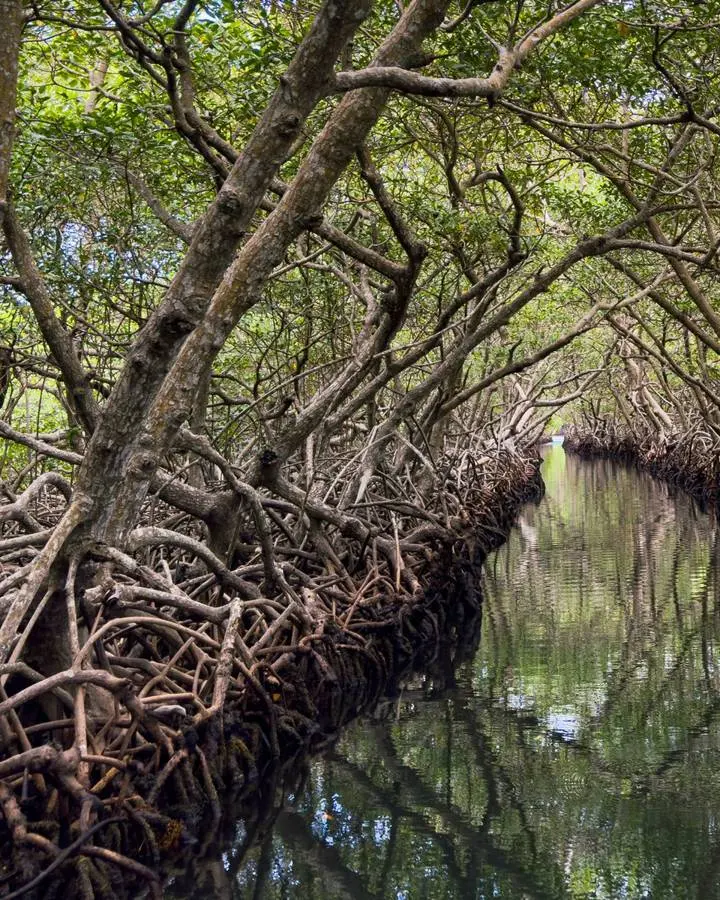
Watamu Marine National Park was gazetted in 1968, making it one of the oldest marine protected areas in Africa. It covers 10 km² of shallow lagoon with coral, seagrass, sand and mangrove habitat, and the A Rocha Kenya report, published in January 2013, says all extraction, including fishing, is prohibited there (source).
The park is one of two no-take zones nested within the larger 245 km² Watamu-Malindi Marine National Reserve. In that reserve, traditional and sustainable fishing is permitted, as the January 2013 report described it.
The survey measured coral cover at four patch reefs: the highest was 31% at Uyombo and the lowest 15% at Turtle Reef. It also noted that Coral Gardens receives high numbers of tourists daily, and found ten fish species and one coral species assessed as Vulnerable or Threatened.
Kiunga: monitoring with local fishers
Resilience principles were not considered when Kiunga Marine National Reserve was designed in 1979, but they have since played a major role in its management, according to the Reef Resilience Network case study. The same study says the Kiunga reef system has not recovered from the 1998 bleaching event as quickly as other reefs along the Kenyan coast.
Monitoring grew in stages:
- After the 1998 event, a partnership of CORDIO East Africa, UNEP, KMFRI and Kenya Wildlife Service monitored bleaching, while a team of 20 local fishermen tracked fish, invertebrates, bottom cover and fishing gear.
- In 2006, a partnership with Kenya Wildlife Service began monitoring coral disease.
- In 2008, resilience monitoring began with IUCN, CORDIO and Kenya Wildlife Service.
The case study reports that fishers’ attitudes changed, and that they are now less likely to use destructive fishing gear.
Bleaching returns: the fourth global event
As of CORDIO East Africa’s press release of 15 April 2024, NOAA and the International Coral Reef Initiative had announced the world’s fourth global coral bleaching event, the second in the last 10 years (CORDIO East Africa). Mass bleaching since mid-2023 had been confirmed in at least 53 countries and territories.
In the Western Indian Ocean, observations were confirmed from Kenya, Tanzania, Comoros, Seychelles, Mauritius and Reunion. CORDIO East Africa and regional partners reported widespread bleaching in the region since early 2024.
The release stresses that bleaching does not inevitably lead to coral death. If conditions improve and stressors diminish, bleached corals can recover, though losses are felt mainly when bleaching causes significant mortality.
That release also said climate services indicated a shift from El Niño toward neutral conditions. A CORDIO East Africa coral reef scientist added that minimizing stressors such as overfishing, water pollution and tourist activity can go far in facilitating recovery. Because this source dates from April 2024, check CORDIO East Africa for newer updates.
Frequently asked questions
How much coral did Kenya’s reefs lose in 1998?
Show answer
According to the CORDIO/KMFRI status report, most southern fringing reefs lost between 66% and 80% of their live corals in shallow water, and many reefs were estimated at 50% to 90% coral mortality. Deeper reefs and northern reefs lost less.
Does bleaching always kill coral?
Show answer
No. CORDIO East Africa’s April 2024 release says bleaching does not inevitably lead to coral death, and bleached corals can recover if conditions improve and stressors diminish.
Why do northern Kenyan reefs have less coral than southern ones?
Show answer
Lower coral cover before 1998 is thought to reflect a gradual transition from the coral-dominated fauna of the south to the cold-water influence of the Somali upwelling system further north.
Is fishing allowed in Watamu Marine National Park?
Show answer
As the A Rocha Kenya report of January 2013 described it, all extraction, including fishing, is prohibited in the park. Traditional and sustainable fishing is permitted in the surrounding Watamu-Malindi Marine National Reserve.