Wondering what makes the Zambezi Delta ecosystem worth protecting? It is a broad alluvial plain of grassland, swamp and mangrove on Mozambique’s coast, listed as a Ramsar wetland in 2004, and it supports wildlife, fishing and carbon storage.
This page is part of the wider guide to the coastal ecosystems of Kenya and Mozambique.
| Item | Value |
|---|---|
| Ramsar designation date | 3 August 2004 |
| Ramsar site area | 3,171,172 ha |
| Share of Mozambique’s mangroves found in the Delta | 16% |
| People directly dependent on mangrove-associated fisheries in Mozambique | 400,000 people |
| Estimated annual net benefits of Mozambique’s mangroves | US$ 7 billion |
| Share of national fossil fuel emissions sequestered by Mozambique’s mangroves | 39% |
These figures come from the Ramsar Sites Information Service annotated list and a Wetlands International news item. Figures can change, so check the source before you rely on them.
What is the Zambezi Delta?
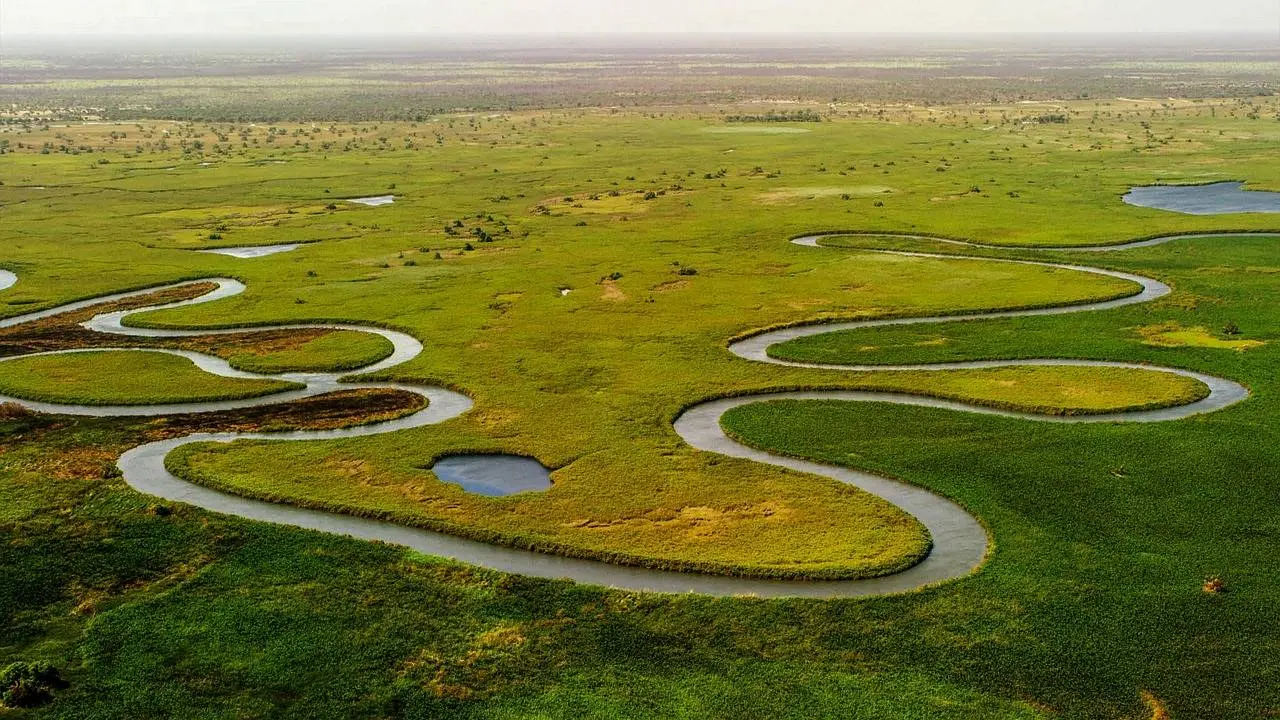
The Ramsar annotated list describes the delta as a broad flat alluvial plain with vast mosaics of tropical grassland, palm, thicket, woodland, deep water swamp and some of the most extensive mangrove communities on the East African coast. It lies in Sofala and Zambezia provinces, and the same annotated list gives its coordinates as 17°59’32″S 36°00’10″E.
Wetlands International’s September 2026 news item says Mozambique has only two Ramsar Sites.
A former Ramsar information sheet, completed in July 2003, describes the Marromeu Complex part of the delta. It names the Marromeu Buffalo Reserve and four surrounding hunting concessions, gives an area of 688,000 ha, and puts the nearest large town, Beira, about 200 km south (2003 information sheet). The two documents give different areas, so check which boundary a figure refers to.
That 2003 sheet lists the wetland types found in the complex:
- Zambezian coastal flooded savanna
- Coastal dunes and grassland
- Freshwater swamps and dambos linked to miombo forest
- Mangroves
- Sea grass beds
Mangroves on the delta coast
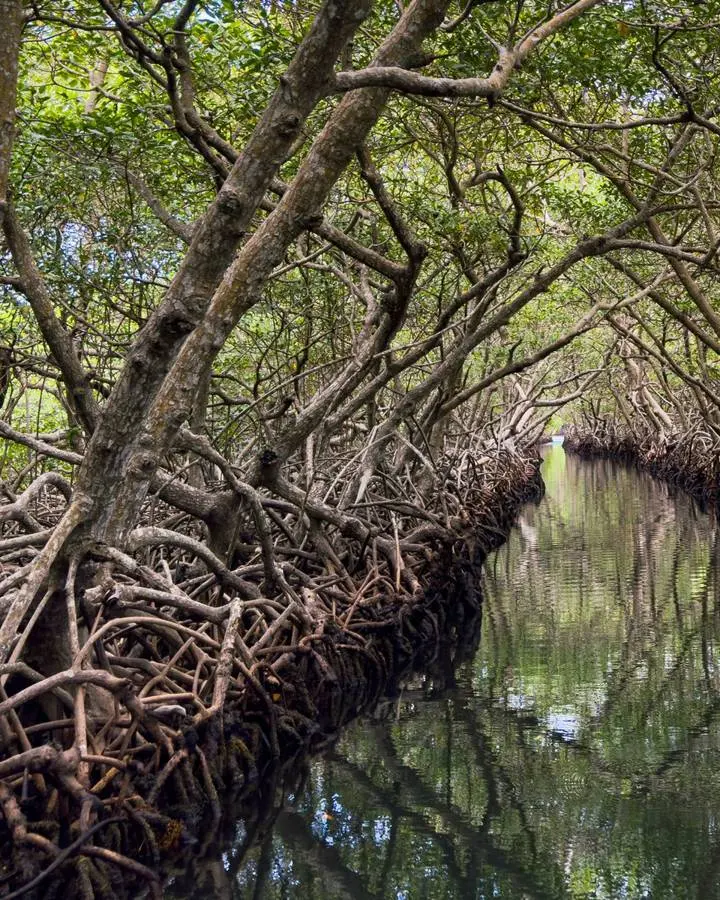
According to Wetlands International, Mozambique has the largest extent of mangroves in the Western Indian Ocean region, around 10% of Africa’s total. About 16% of the country’s mangroves are in the Zambezi Delta, which is its largest continuous mangrove area.
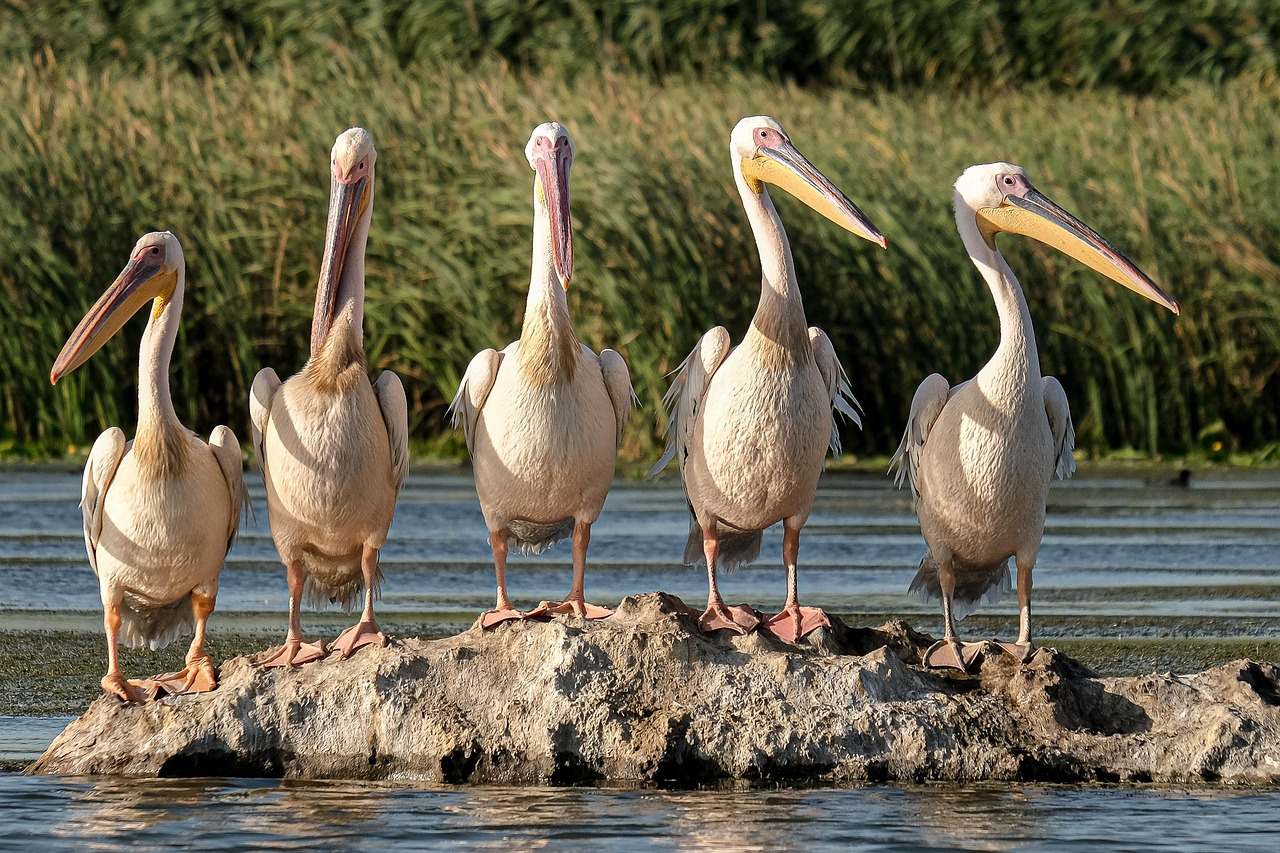
The mangroves also shelter nesting birds. The 2003 information sheet says thousands of breeding pairs of white pelicans have been observed nesting on the mangrove trees, one of the largest breeding colonies in southern Africa. Small birds such as the red-eyed dove and the black-headed oriole nest there too.
The same sheet records the mud crab Scylla serrata and other mangrove-dwelling crustaceans, which the local population harvests. For a research-focused comparison on the Kenyan side, see the work described in the Gazi Bay mangrove research article.
Wildlife of the delta and its waters
The annotated list names a significant population of large mammals and a large concentration of waterbirds, and says bottlenose and humpback dolphins have been recorded. In its wording, the delta holds:
- African buffalo, elephant, hippopotamus, lion and leopard
- White-backed and pink-backed pelicans, herons, flamingos, egrets and storks
- African fish eagles, Caspian terns and wattled cranes
- Endangered grey crowned cranes
The 2003 sheet adds detail on the Marromeu Complex. It reports more than 1% of the global population of wattled crane, more than 10,000 African openbill storks on Zambezi River sandbars, and 75 sightings of humpback whale in a 1991 study off the reserve coast.
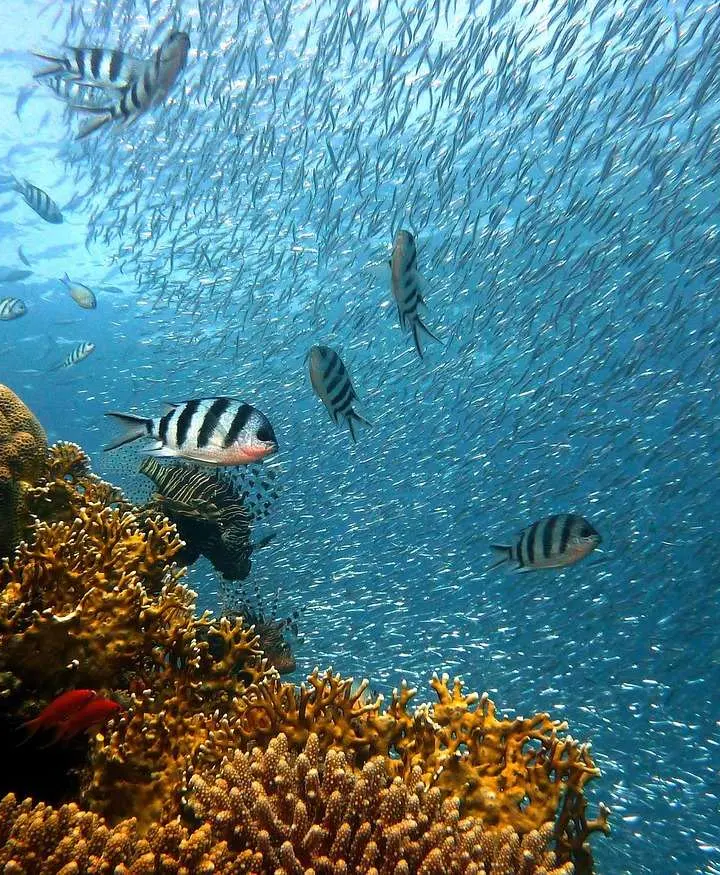
The sheet also cites a research survey in which 341 species of fish were recorded in the marine waters of the Zambezi Delta and northern Sofala Bank. Most were bottom-dwelling species.
What the wetland does for people
The annotated list says the site supports food security and socio-economic development, and provides hydrological functions including coastal protection, flood control and carbon sequestration. The 2003 sheet adds that thousands of farmers and fishermen depend on the floodplain for their livelihoods.
Wetlands International gives national-scale figures for mangroves, and they are estimates rather than measurements of the delta alone:
- Around 400,000 people directly depend on mangrove-associated fisheries in Mozambique.
- Mozambique’s mangroves sequester 39% of the country’s annual fossil fuel emissions.
- They have been estimated to provide US$ 7 billion in annual net benefits to the national economy.
The same news item calls the delta a blue carbon hotspot, with high amounts of mangrove biomass and sediment carbon. It also says the wetland protects against sea level rise and storm surges.
Pressures on the delta
Sources describe the main pressures differently. The 2003 sheet says the delta is most threatened by the end of natural flooding, caused by upstream dam management and by roads, railways and flood protection dykes. The annotated list names dam construction for hydroelectric power as the major threat.
A more recent report concerns sand mining. In September 2026, Wetlands International said Global Mangrove Watch alerts showed significant mangrove loss in the delta, and that the cause was heavy sand mining. It suggested that unblocking the channel or creating alternative canals to restore water flow might be enough to revive the degraded mangroves.
The same news item lists wider threats to Mozambique’s mangroves:
- Wood harvesting for firewood and logging
- Aquaculture and saltpan development
- Urban encroachment and port development
- Floods and cyclones
Reading the delta alongside other regional sites
The delta is one of several distinct coastal systems in the region. To compare it with another Mozambican coastal landscape, continue to the Quirimbas Archipelago page.
Frequently asked questions
Where is the Zambezi Delta?
Show answer
The Ramsar annotated list places it in Sofala and Zambezia provinces of Mozambique (Ramsar annotated list).
Is the Zambezi Delta a Ramsar site?
Show answer
Yes.
How much of Mozambique’s mangrove is in the delta?
Show answer
Wetlands International says about 16% of Mozambique’s mangroves are in the Zambezi Delta, the country’s largest continuous mangrove area (source).
What threatens the delta?
Show answer
Sources name changes to natural flooding from dams, road, railway and dyke construction, and, in a September 2026 report, heavy sand mining that has degraded mangroves (Wetlands International).